
News
July 14, 2026
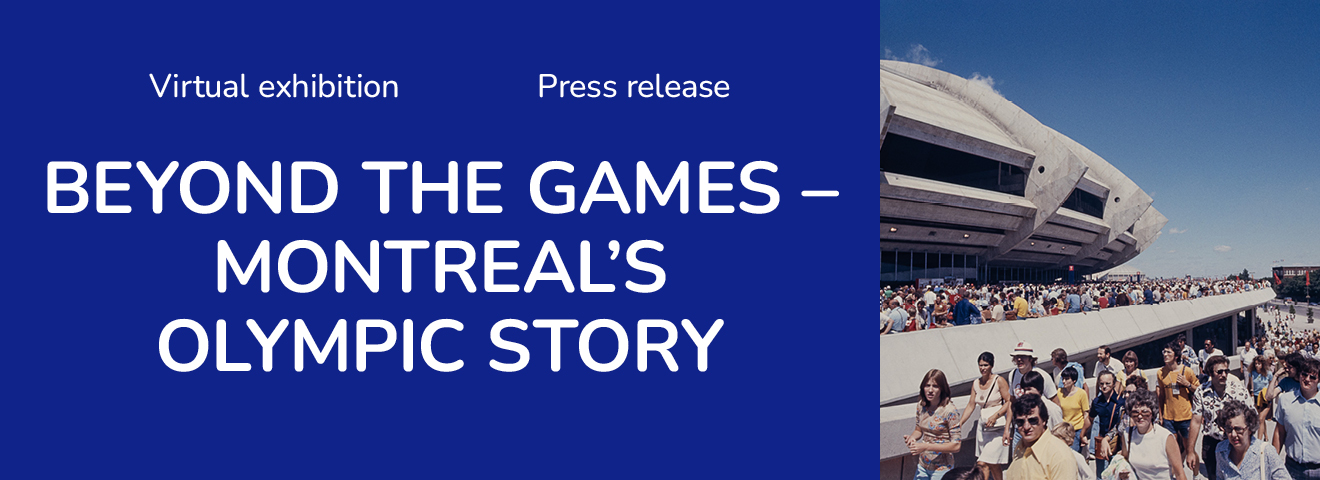
Beyond the Games – Montreal’s Olympic Story
Press Release
Now available on Digital Museums Canada Website
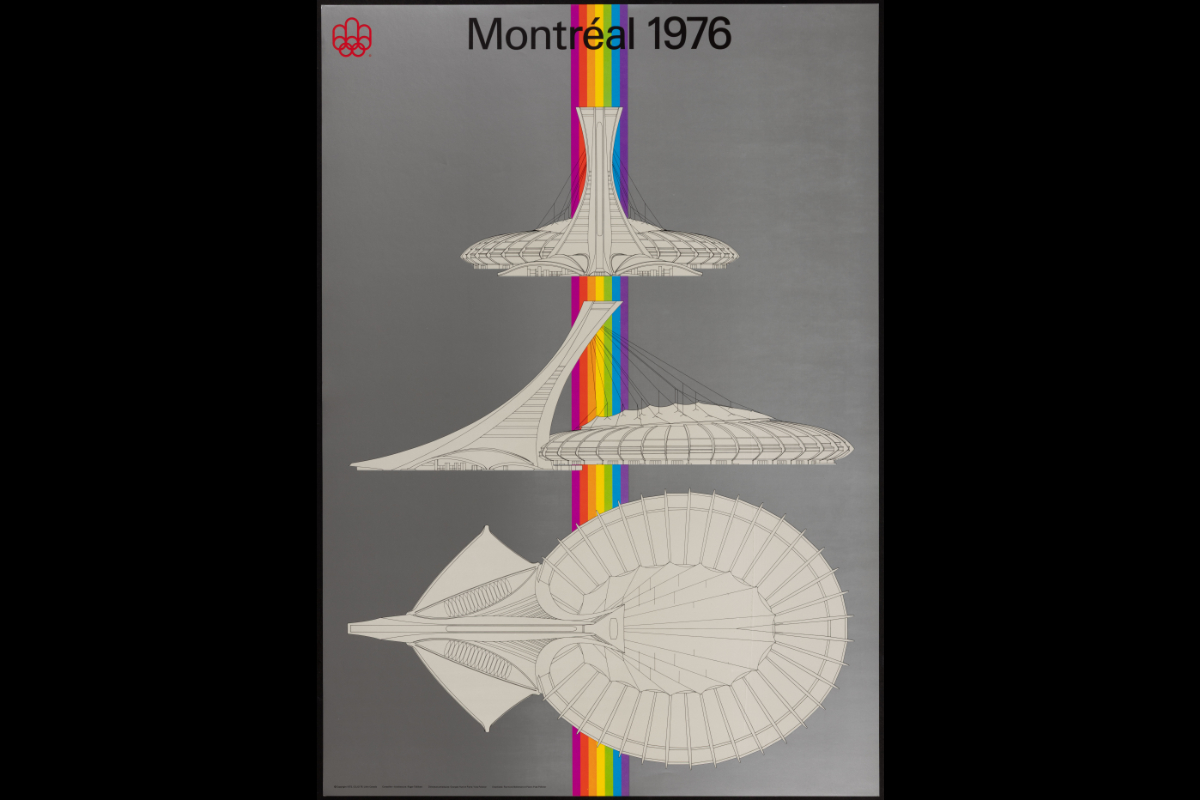
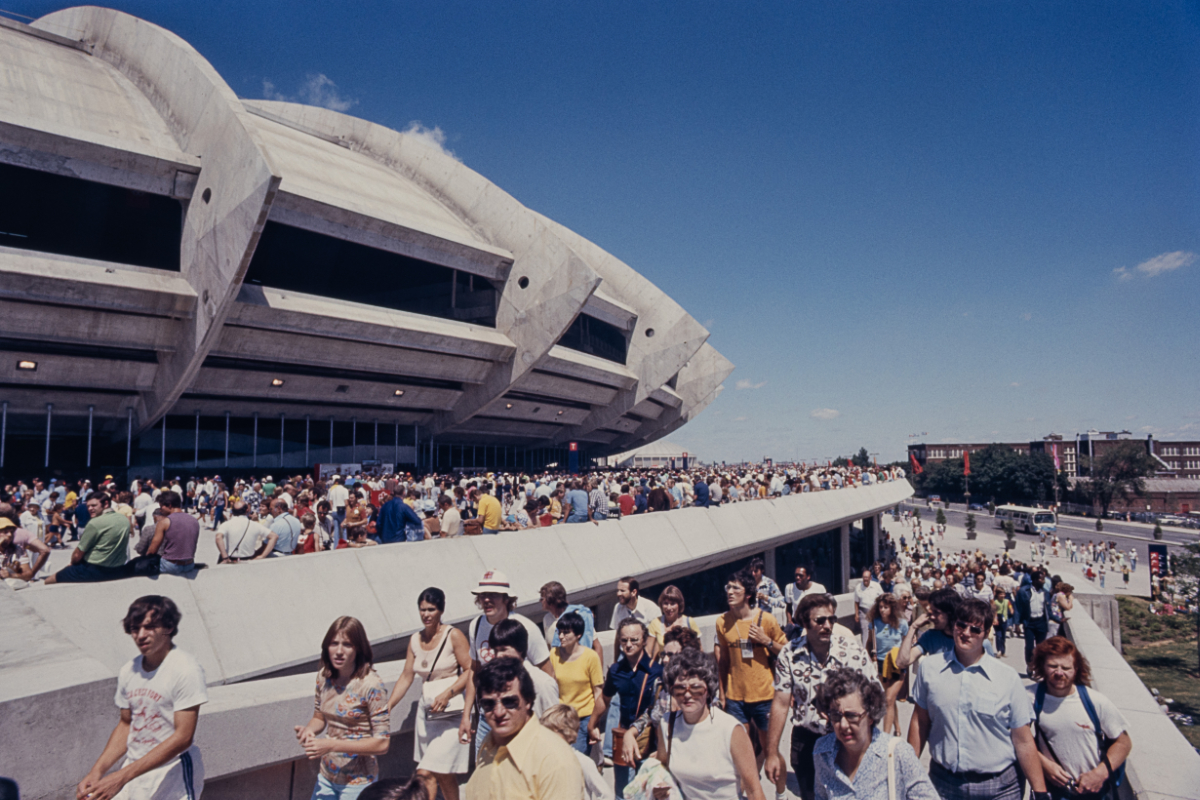
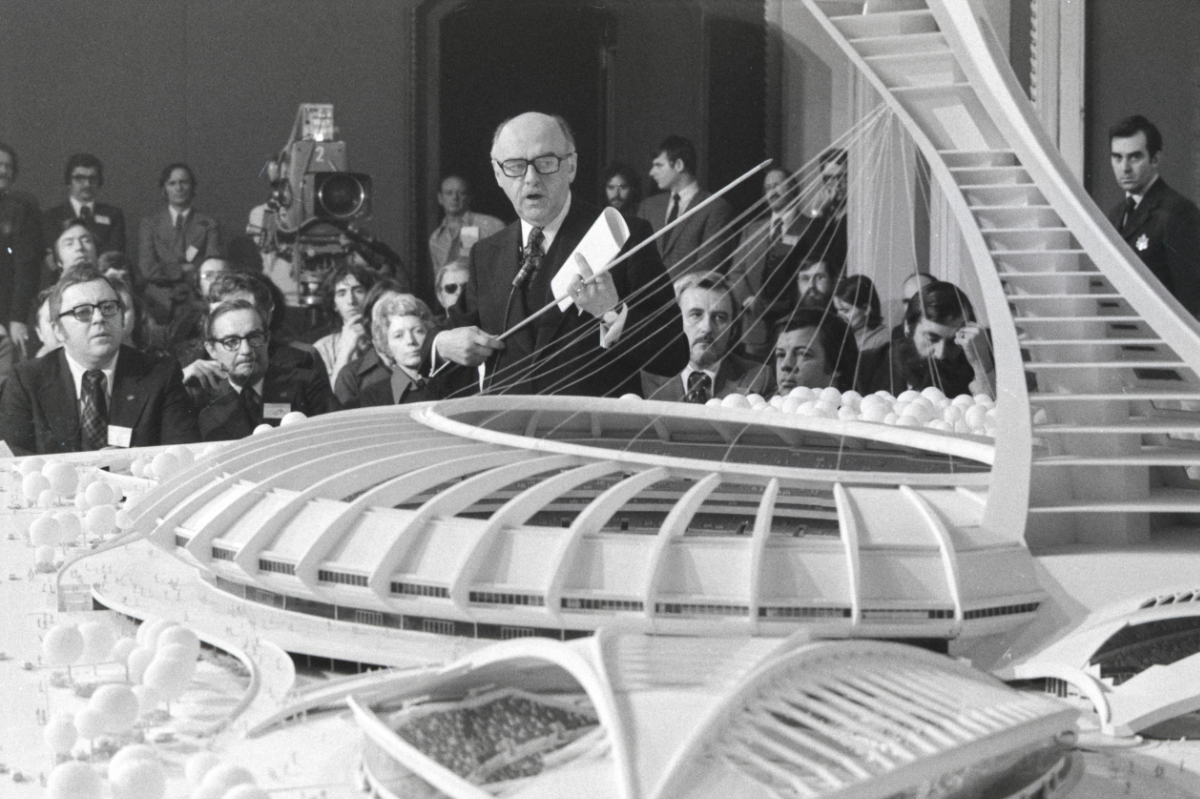
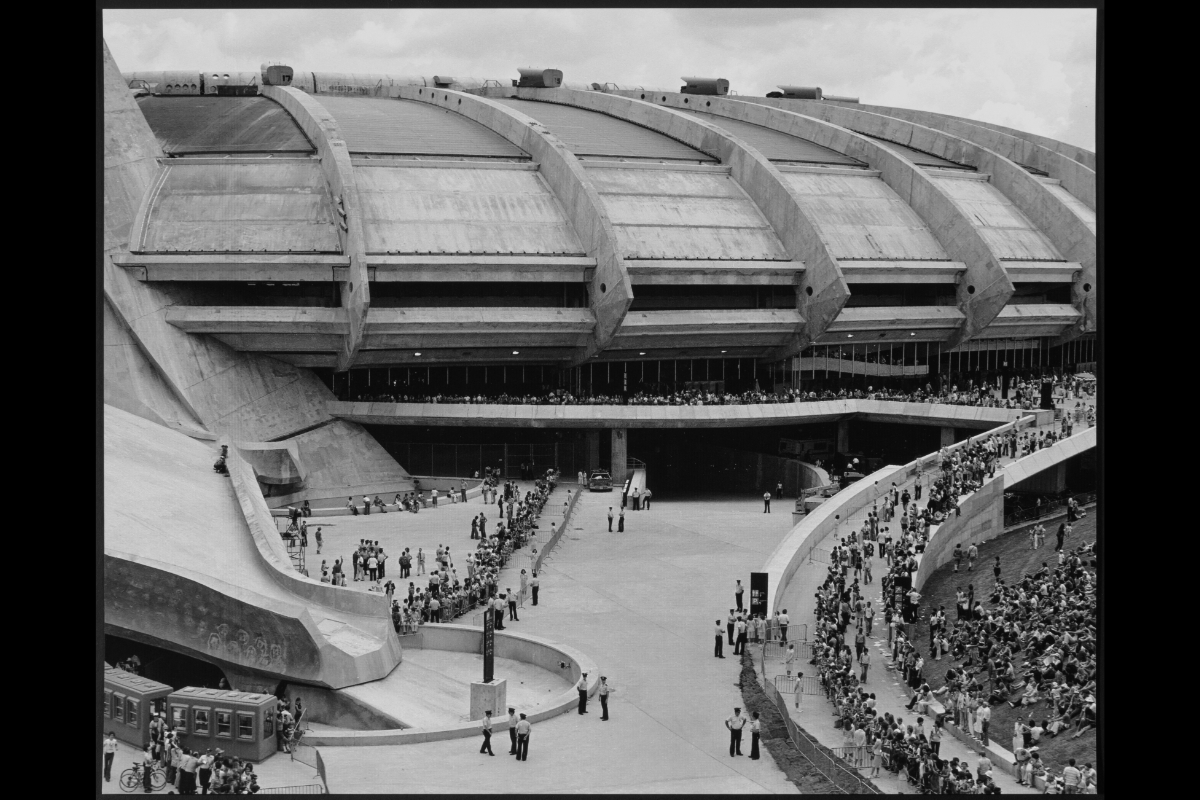
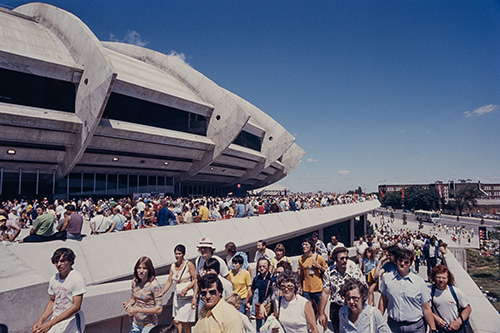
Montreal, July 14, 2026 – Beyond the Games – Montreal’s Olympic Story is now available online through Digital Museums Canada (DMC). Designed for youth aged 12 to 17, this interactive virtual exhibition offers a fascinating look at the 1976 Montreal Olympic Games. Visitors can explore the Games’ bold visual identity, the architectural innovations that defined the competition venues, and the major challenges involved in securing and preparing for the event. The exhibition also shines a spotlight on the athletes whose remarkable performances captivated audiences around the world. Featuring exclusive content, this digital experience brings to life the defining moments of a landmark event in the history of Montreal and the Canadian Olympic movement.
“Beyond the Games – Montreal’s Olympic Story is a virtual exhibition that showcases the rich collections of the McCord Stewart Museum and reflects the expertise and creativity of our team. It offers young people a unique opportunity to rediscover a defining chapter in our shared history. The exhibition highlights not only the extraordinary athletic achievements of the 1976 Games, but also the bold vision, creativity, innovation and collective effort of the thousands of people who helped bring a world-class event to life, while placing Montreal—and Canada as a whole—on the international stage. We also hope this project will encourage the transmission of this remarkable shared experience from one generation to the next.” – Anne Eschapasse, President and CEO
Building connections across generations
Fifty years after the Montreal Olympic Games, this virtual exhibition offers a unique opportunity to pass down memories, stories and knowledge from one generation to the next. The exhibition features video testimonials from people who experienced the excitement of the summer of 1976 firsthand; they allow younger audiences to discover and relive the atmosphere that filled the city during an event that transformed Montreal.
The exhibition is also filled with references to iconic landmarks that remain part of Montreal’s urban landscape, including the Olympic Park and the Claude-Robillard Sports Complex. These familiar places illustrate how the legacy of the Games continues to shape the city today, helping young visitors make tangible connections between this historic event and the Montreal they know.
A valuable resource for teachers
The exhibition was also designed as an educational resource, with content divided into thematic chapters that explore each stage of the Olympic story—from the organization and the Games themselves to their lasting legacy. Dividing the content into short, accessible modules makes it easy to integrate into classroom activities while allowing students to explore at their own pace. This approach makes the exhibition an invaluable resource for teachers who wish to engage students in learning about one of the most significant events in the history of Montreal and Canada: the 1976 Olympic Games.
Highlights
122 images from the Museum’s collections
In total, 29 posters, 4 photographs or sketches of staff uniforms and 9 cartoons of the Games are featured in the exhibition.
10 videos presented in the exhibition
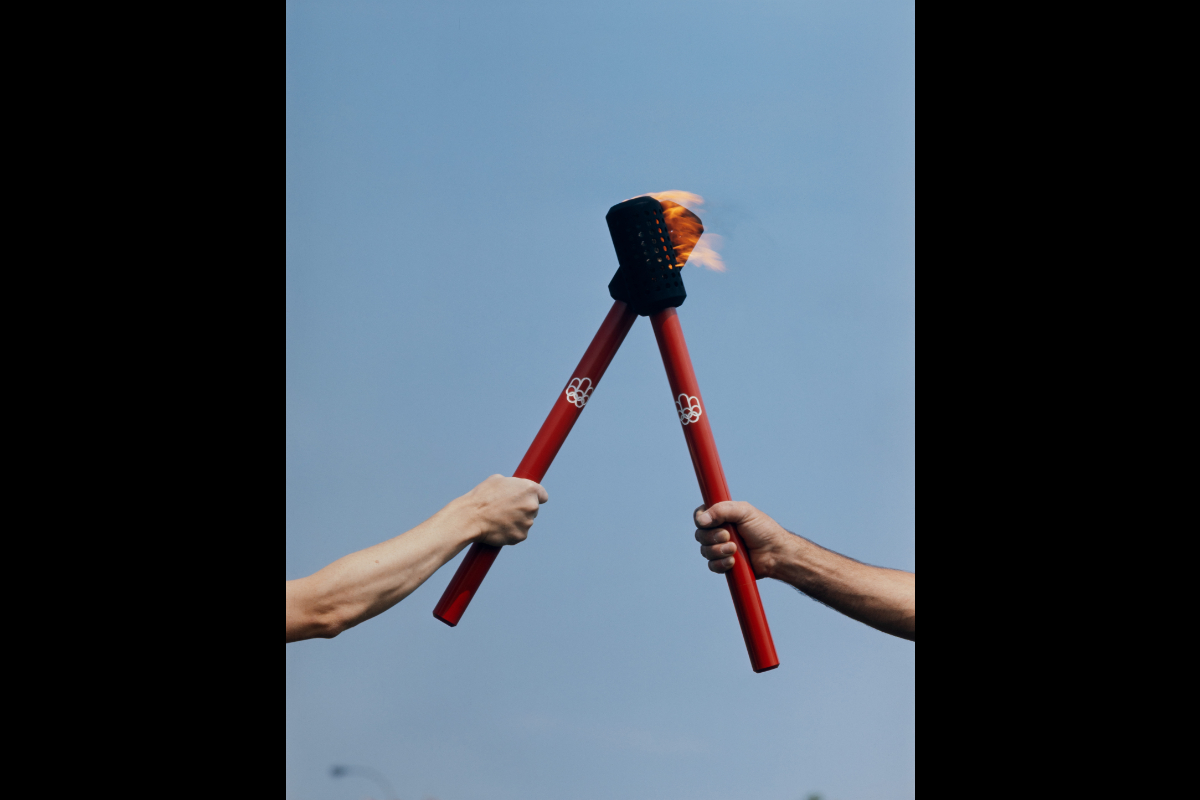
Several interviews offer a range of perspectives, including graphic designers Raymond Bellemare and Yvon Laroche, who discuss the creation of the Games’ visual identity; industrial designer Michel Dallaire, who shares his design philosophy and reflects on the creation of the Olympic torch and the BIXI bike-sharing system; and Gérald Vallée, who was a 19-year-old crowd control officer during the 1976 Olympic Games and recounts his experience.
Profiles of five young athletes
Five young athletes share what inspires and motivates them in their sport: Rodrigo Cuevas (soccer), Hector Bruno Tomy (bujutsu), Ana Stephens-de-Teresa (synchronized skating), Margot Pagès (gymnastics) and Aven Jairho Allana (basketball).
A story told in 23 chapters
The exhibition’s structure was designed to make the content engaging and accessible for teenage audiences. Nine chapters focus on the lead-up to the Games, eight cover the Games themselves, and six explore their lasting impact and legacy.
An accessible exhibition
- All exhibition texts are written in clear, accessible language appropriate for teenage readers, with vocabulary and sentence structure tailored to their reading level.
- Videos include captions and a text transcript that describes all significant visual information. Images also include alternative text describing their content, which can be read by screen readers.
The exhibition
Fact sheet
- Link to the exhibition: https://www.musee-mccord-stewart.ca/beyond-the-games-montreal-olympic-story/
- Accessibility at Digital Museums Canada: https://www.digitalmuseums.ca/accessibility/
Production team
Project management: Stéphanie Poisson, Head, Digital Outreach, Collections and Exhibitions
Curatorial team: Christian Vachon, Director, Collections Management and Curator, Documentary Art, Cynthia Cooper, Head, Collections and Research and Senior Curator, Dress, Fashion and Textiles, and Zoë Tousignant, Curator, Photography
Content development: Stéphanie Poisson, Head, Digital Outreach, Collections and Exhibitions; Anne-Frédérique Beaulieu, Officer, Digital Outreach, Collections and Exhibitions; and Mathieu Lapointe, PhD, Curator, Archives
Exhibition texts: Christian Vachon, Director, Collections Management and Curator, Documentary Art, and Katherine Melançon
Integration: Anne-Frédérique Beaulieu, Officer, Digital Outreach, Collections and Exhibitions
Accessibility texts: Technoleads
Consulting: Simone Beaudry-Pilotte, Archives gaies du Québec
Video editing and production: Tomi Grgicevic
Developed with the support of Digital Museums Canada, an investment program managed by the Canadian Museum of History.
McCord Stewart Museum
About
A landmark in the heart of Montreal for over 100 years, the McCord Stewart Museum bears witness to the history of Quebec’s metropolis as well as its influence in Canada and around the world, celebrating the vitality, creativity and diversity of the communities that make it up.
The Museum amplifies their voices by interpreting and disseminating the remarkable heritage under its custody: six expansive collections of 3.2 million images, objects, documents and works of art that make it one of North America’s leading museums.
In keeping with its commitment to decolonization and sustainable development, it creates stimulating exhibitions and educational, cultural and community-engagement activities that look at the social history and contemporary issues affecting its audiences through a critical and inclusive lens, inspiring them to take action for a fairer society.
Press kit
Information and interview requests
Marc-André Champagne
Officer, Public Relations
514 861-6701, ext. 1239
marc-andre.champagne@mccord-stewart.ca


Developed with the support of Digital Museums Canada, an investment program managed by the Canadian Museum of History.