
 Article | 7 min
 The SDGQ – Marc H. Choko social poster contest at the McCord Stewart Museum
Over the past 12 years, over one thousand young graphic designers have increased their awareness of timely social issues.
April 17, 2026
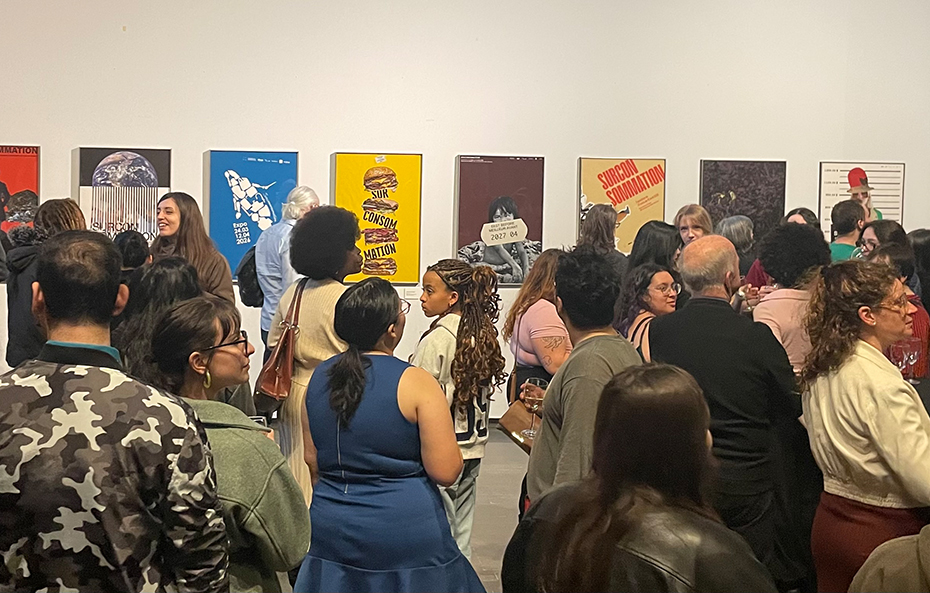
March 31 to April 26, the McCord Stewart Museum presents Overconsumption, an exhibition of fifteen posters selected by the jury of the SDGQ – Marc H. Choko Social Poster Contest.
For the competition’s twelfth edition, we selected the theme of “Overconsumption” after polling young adults on several topics. The call for submissions included a series of questions provided by our partner Équiterre, which explored more sustainable solutions for changing our habits and reducing our environmental impact.
Jury members voted unanimously to award first prize to a cleverly composed, visually striking poster with a simple image that is both immediately—and universally—recognizable. Second prize acknowledged a well-executed, original idea in which a bar code represents a shredded vision of our planet. Finally, the third prize poster subtly evokes Millet’s celebrated 1857 painting The Gleaners, though the titular figures are now picking through a field of modern waste.
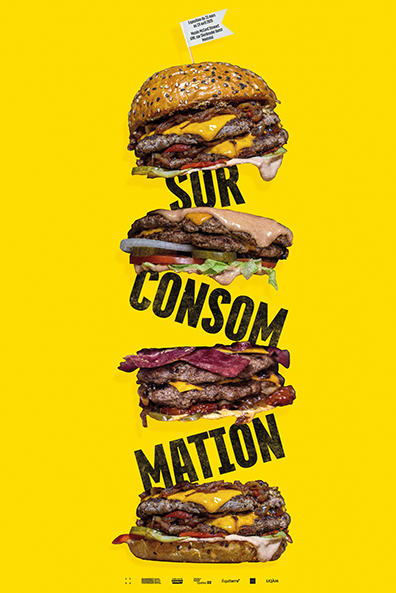
Prof.: Noémie Darveau
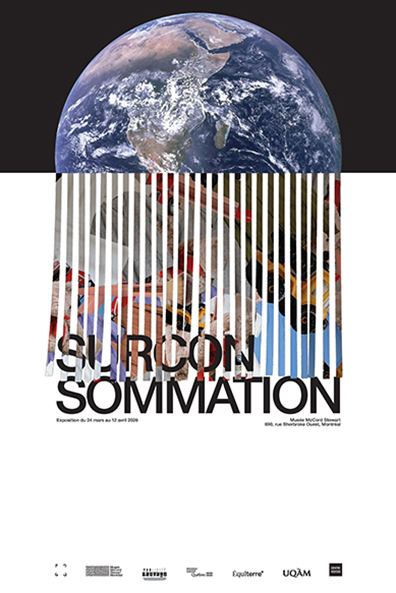
Prof.: François Martin
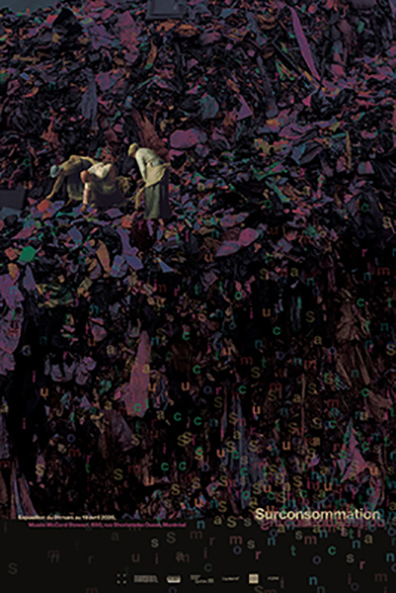
Prof.: François Martin
The history of the constest
In 2013, I came up with the idea of starting a poster contest, like those held in other countries, but in this case aimed exclusively at graphic design students.
This annual competition, organized by the Société des designers graphiques du Québec (SDGQ), is open to all students registered in a CEGEP or university graphic design program officially recognized by the Quebec government. Its goal is to develop their design skills, make them aware of the social impact of design, and encourage a practice focussed on the common good.
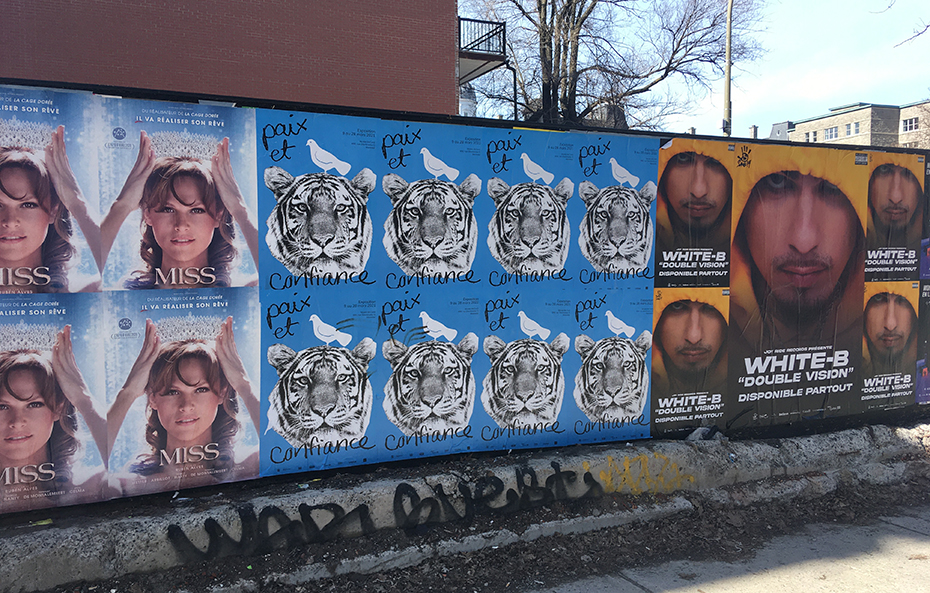
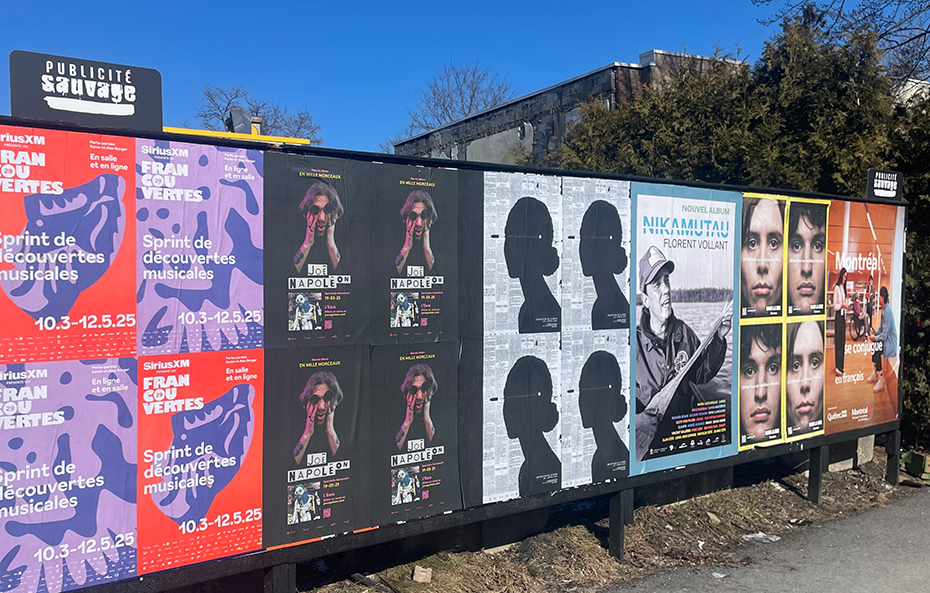
Thanks to partnerships with the McCord Stewart Museum, Publicité Sauvage, Bibliothèque et Archives nationales du Québec, the Université du Québec à Montréal (UQAM) Design Centre, MP Repro and Quebec’s General Delegation in Paris, over 150 posters created for the contest have been displayed in exhibitions and on the street in Quebec and France.
The themes, selected in collaboration with a different social organization each year, attract one hundred student entries on average. Fifteen posters, selected by a jury of five individuals from the world of graphic design, are exhibited at the McCord Stewart Museum. The selection criteria are clarity of message, originality, harmonious blend of text and image, and overall quality.
A Decade of Social Posters in Quebec
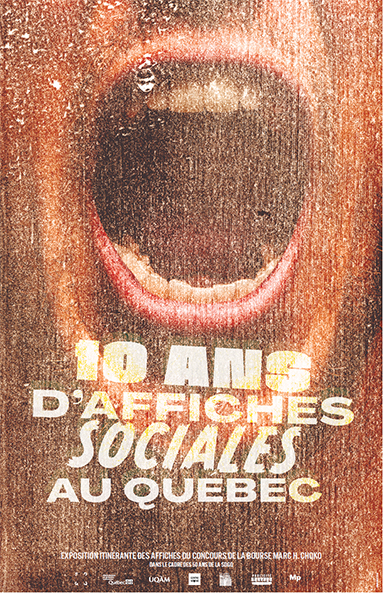
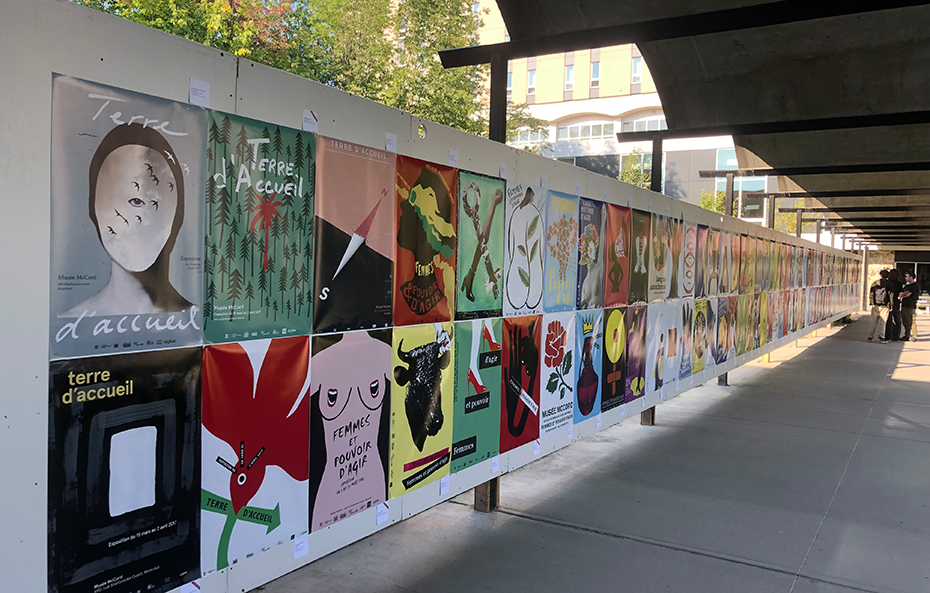
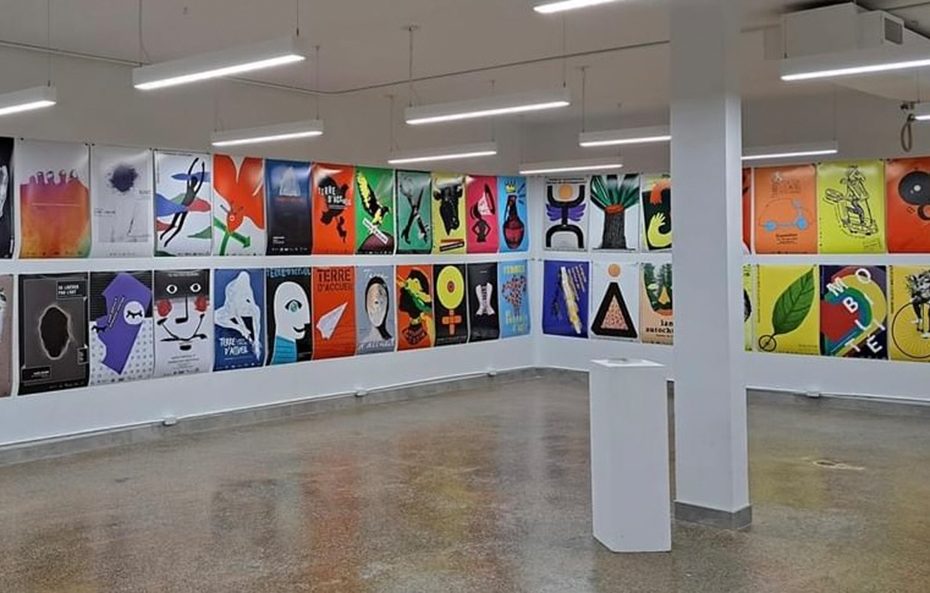
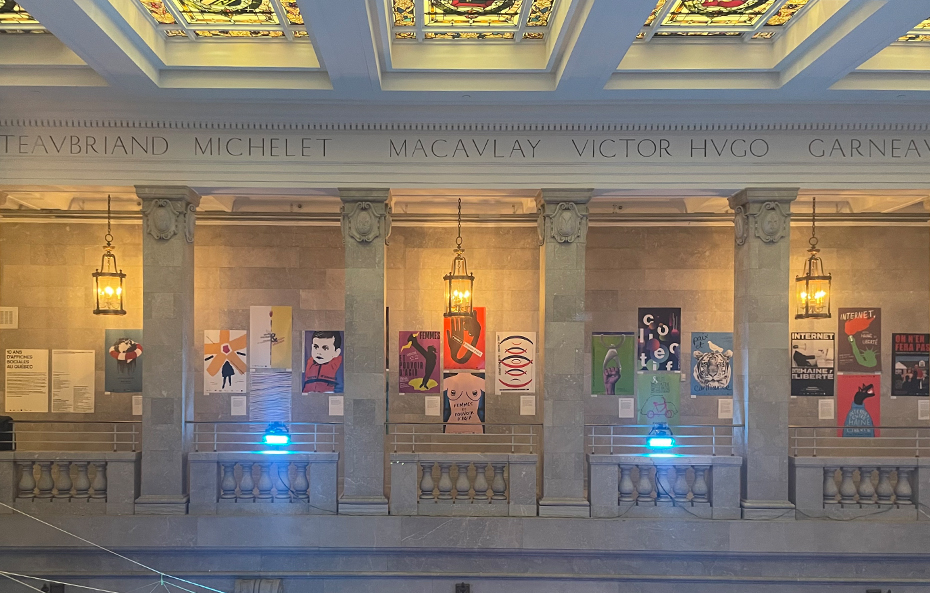
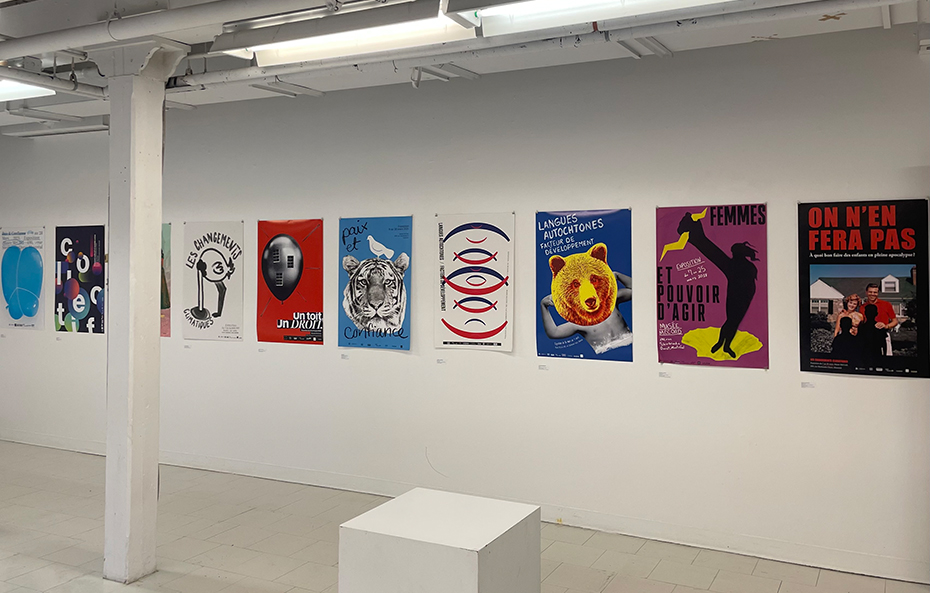
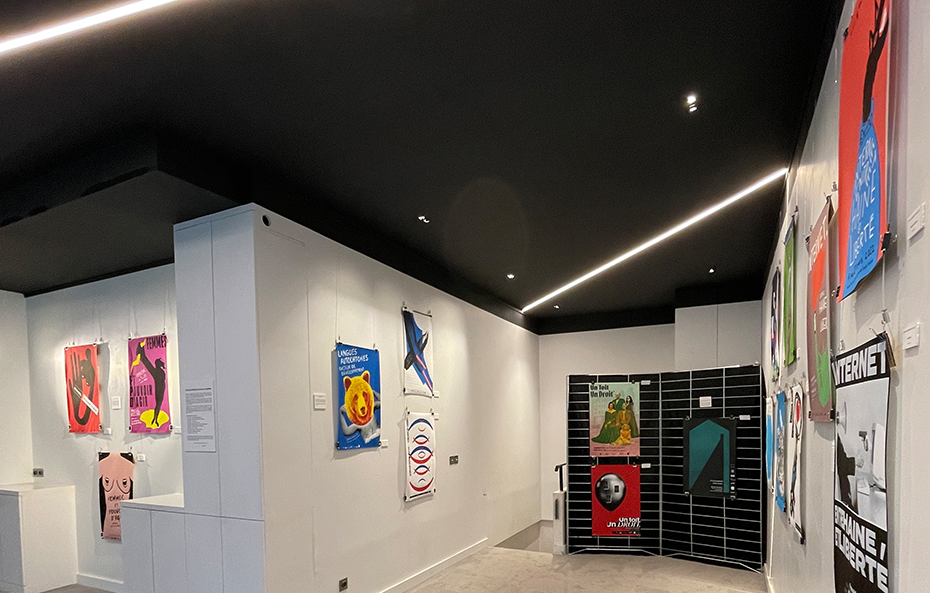
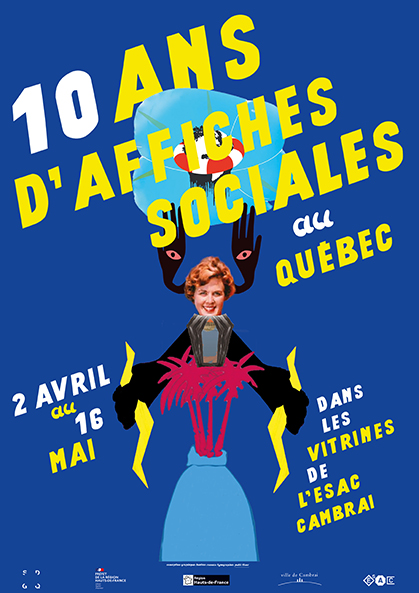
In addition to the annual poster exhibitions at the McCord Stewart Museum, A Decade of Social Posters in Quebec toured Quebec and France to commemorate the contest’s 10th anniversary. Depending on the location, this exhibition featured anywhere from 30 to 145 posters created for the competition.
The École supérieure d’art & de communication Cambrai, in France, has also been sharing our annual contest themes with its students since 2023.
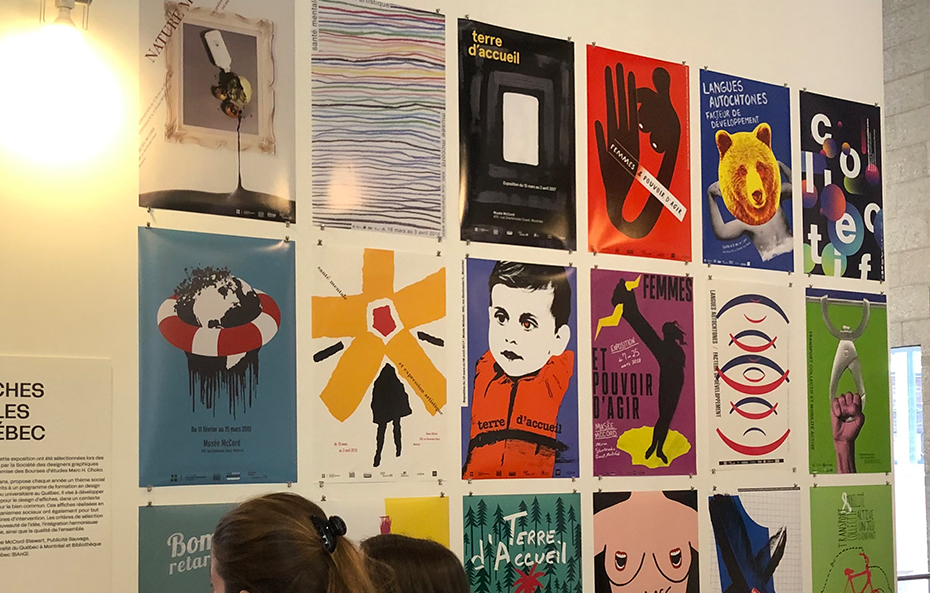
This overview of so many posters illustrated the wealth of ideas put forth by students, the quality of the mentorship provided by their teachers, and the different graphic design approaches used to deal with a wide variety of, at times, sensitive topics.
Social themes and winning posters
In 2014-2015, the theme for the competition’s inaugural edition was chosen in association with the UN‘s International Year of Soils 2015. The goal of the posters was to illustrate the role of soil in food security, hunger eradication, climate change adaptation, poverty alleviation, and sustainable development.
The following year, the contest was organized in collaboration with Les Impatients, an organization that supports people dealing with mental health issues, under the theme “Mental health and artistic expression.”
In 2016-2017, the theme “Land of welcome” was chosen in partnership with the Centre social d’assistance aux immigrants, an organization that supports immigrants and refugees. The winning poster was inspired by the discovery of Alan Kurdi, a Syrian toddler whose body washed up on a Turkish beach.
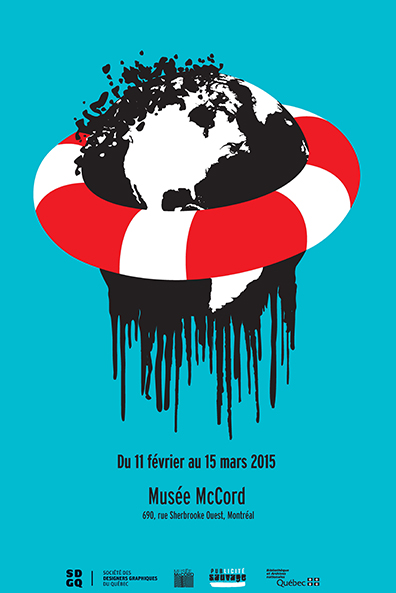
Prof.: Valérie Yobé
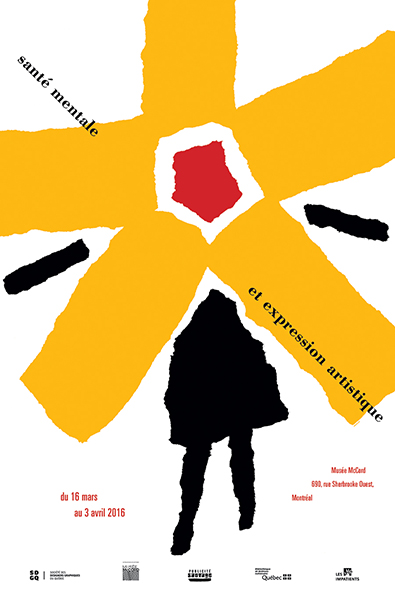
Prof.: Alfred Halasa
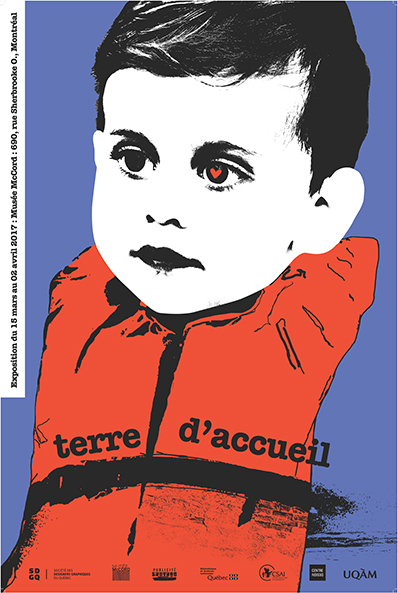
Prof.: Alfred Halasa
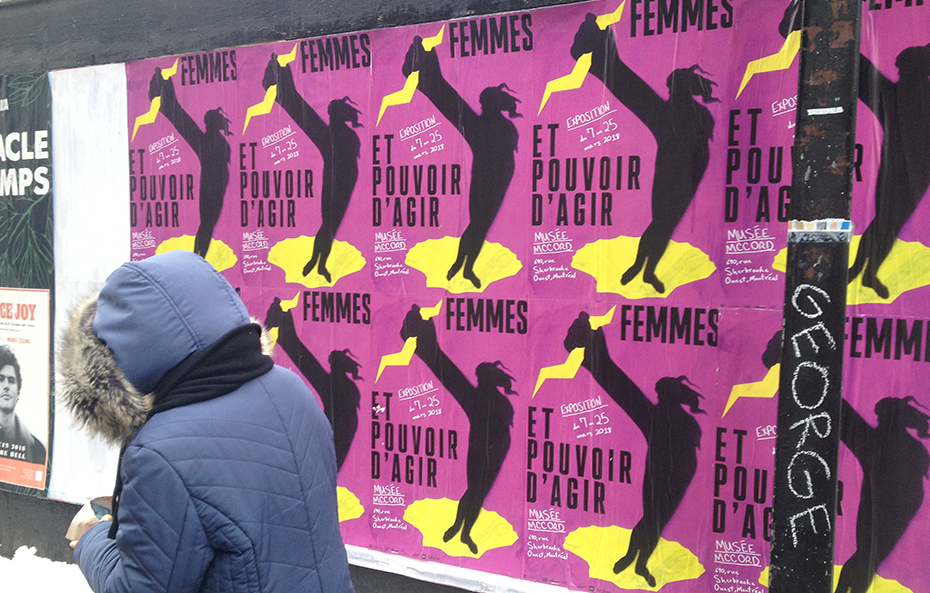
Our partner in 2017-2018, Relais-femmes, is a feminist organization dedicated to networking and knowledge sharing. The theme “Women and taking action” inspired a very striking poster that combined references to the powers of Zeus with those of femininity in a reimagining of The Birth of Venus, Botticelli’s iconic late-15th-century painting.
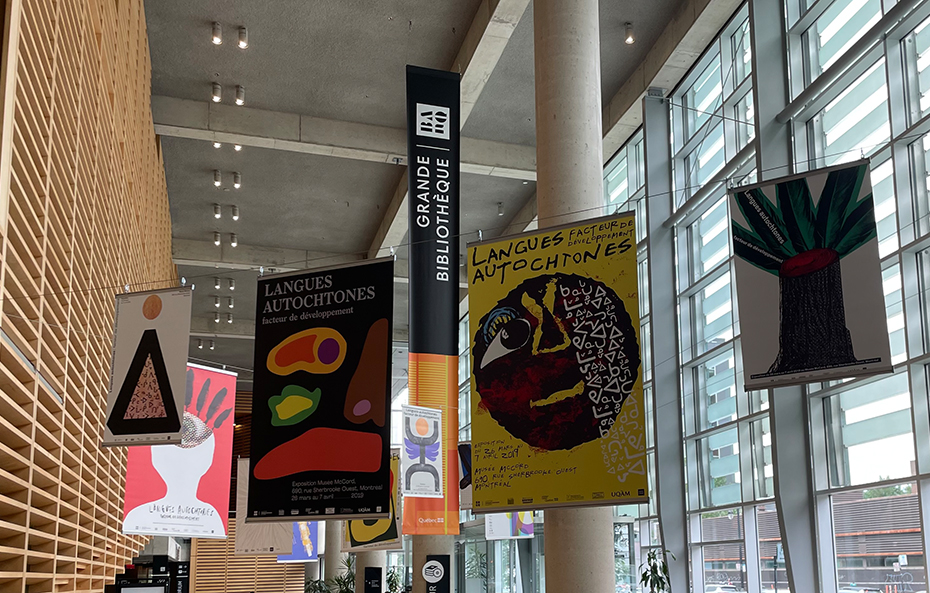
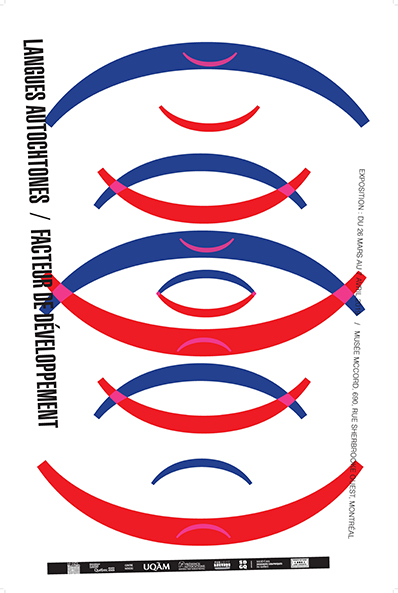
Given that the General Assembly of the United Nations proclaimed 2019 the International Year of Indigenous Languages, the theme of the 2018-2019 competition was inspired by this and local issues. “Indigenous languages, factor of development” was chosen with Land InSights, an organization whose mission is to link the artistic and cultural renaissance of First Peoples to the cultural dynamics of a major metropolis. A bold submission, featuring an abstract representation of multiple mouths, was the jury’s unanimous choice.
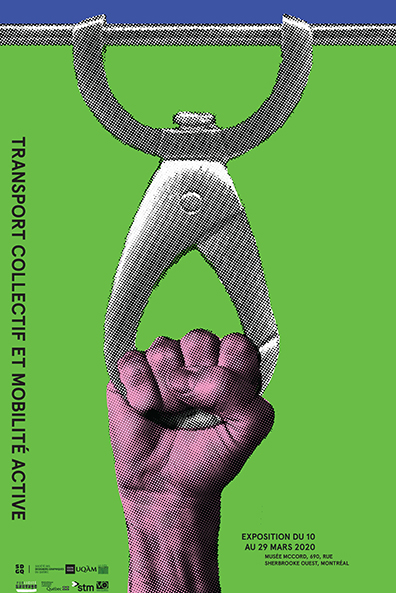
The first prize poster for the 2019-2020 theme of “Public transit and active mobility” was enigmatic, with a fist clenching a carabiner that resembled a bus hand grip. The topic was chosen in collaboration with Vélo Québec, an association that, for over 50 years, has been promoting cycling to improve the environment as well as the health and well-being of citizens.
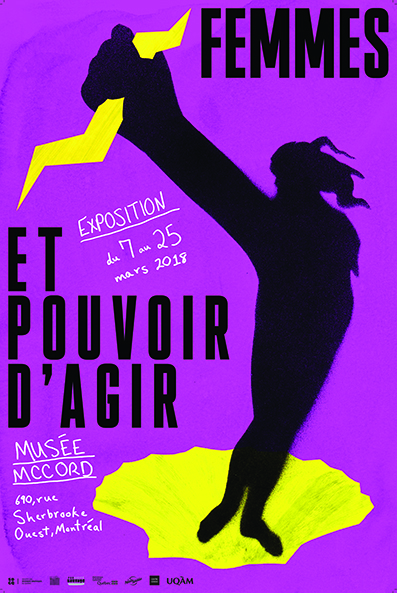
Prof.: Alfred Halasa
Prof.: François Martin
Prof.: Alfred Halasa
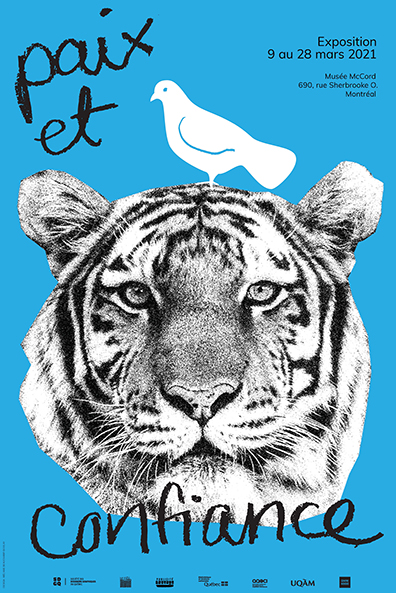
Again in 2020-2021, the contest used a theme chosen by the General Assembly of the United Nations, “Peace and trust.” The Association québécoise des organismes de coopération internationale was that year’s partner.
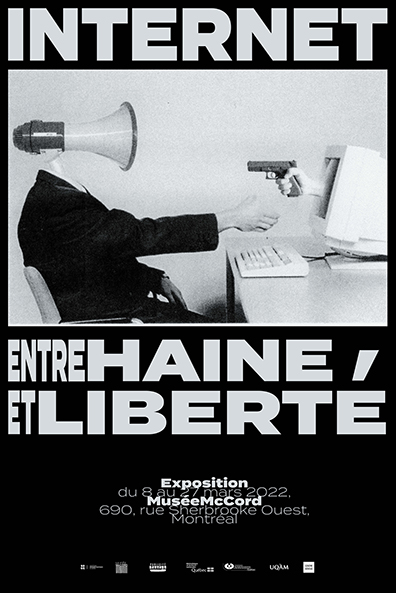
In 2021-2022, contest organizers wanted a theme that would engage more directly with young graphic designers. “Internet: between hate and freedom” clearly demonstrated this intent and the posters produced that year certainly did justice to the theme. The Commission des droits de la personne et des droits de la jeunesse was the partner organization of this edition, which raised questions about the hate speech proliferating on social media, and freedom of expression.
The 2022-2023 contest theme, “Climate change,” was also in sync with the concerns of young people. Our partner, Équiterre, contributes to the development of solutions respectful of our ecosystems and social justice. The first prize poster effectively expresses the potential extreme consequences of the global shifts affecting the environment today.
Prof.: Stéphane Huot
Prof.: LINO

Prof.: Evelyne Deshaies
In 2023, less affluent residents in many cities were already grappling with rising housing costs and Quebec’s housing crisis was getting worse. Our partner organization that year, FRAPRU, believes housing is a fundamental right, a necessity that everyone should have access to. The theme for 2023-2024, “A roof. A right,” attracted a record number of entries and the first prize winner perfectly illustrates the tenuous nature of this right.
Humanity & Inclusion, a non-governmental organization with an international strategy to help reduce armed violence, was our partner in 2024-2025. Featuring an eye-catching silhouette of a woman, that year’s winning poster revealed the theme of “For a world without weapons” by using subtle graphic elements to suggest violence.
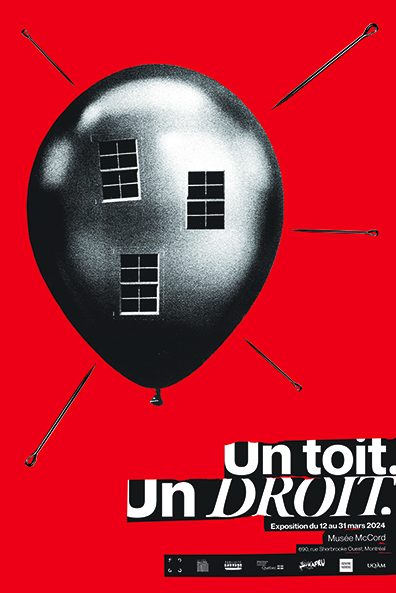
Prof.: Sylvain Grand'Maison
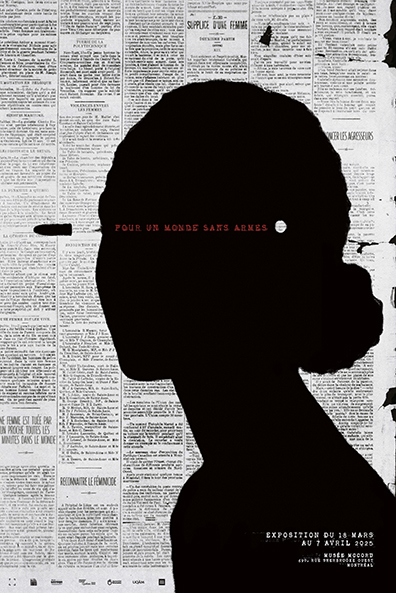
Prof.: Noémie Darveau
A word of appreciation
I would like to thank the some 1,200 students who have participated in the competition, which would not exist without their creations. Many teachers in Quebec’s CEGEPs and universities have guided them, integrating the design contest into their curriculum every year. The success of this initiative is also due in large part to the graphic designers who sit on the jury each year and the various social organizations who agree to collaborate on the project. Without them, the contest would never have reached its potential.


See also

 Article