
 Article | 6 min
 Bens — The Legendary Deli
On July 20, 2006, the staff of Bens Delicatessen went on strike. Here is the story behind this nearly century-old deli that closed in December 2006.
July 17, 2026
Key takeaways:
- Founded in 1908 by Benjamin and Fanny Kravitz, Bens became one of Montreal’s most iconic restaurants.
- Its famous smoked meat sandwich—served with pickles, coleslaw and french fries—was the featured dish on the menu
- In 1960, the restaurant welcomed up to 8,000 customers a day.
- A strike that began in July 2006 preceded its permanent closure in December of the same year.
On July 20, 2006, the staff of Bens Delicatessen went on strike, demanding better wages and working conditions. Unable to reach a settlement with its workers, the institution closed its doors later that year in December.
| Are you hungry to learn more about the world of Montreal restaurants? Visit the exhibition On the Menu – Montreal: A Restaurant Story |
Bens was always much more than just a restaurant. Although it closed after 98 years of existence, its spirit remains an integral part of our collective memory. Anyone who has ever been to Bens or heard about it knows that this celebrated restaurant was a Montreal institution. Patrons felt at home there, returned often, and still enjoy talking about their visits to the legendary deli. Bens may have served up nearly 100 years of smoked meat, but it was much more than a restaurant: the confluence of a family and its customers, it was a microcosm of Montreal and its many communities.
Benjamin and Fanny's first business
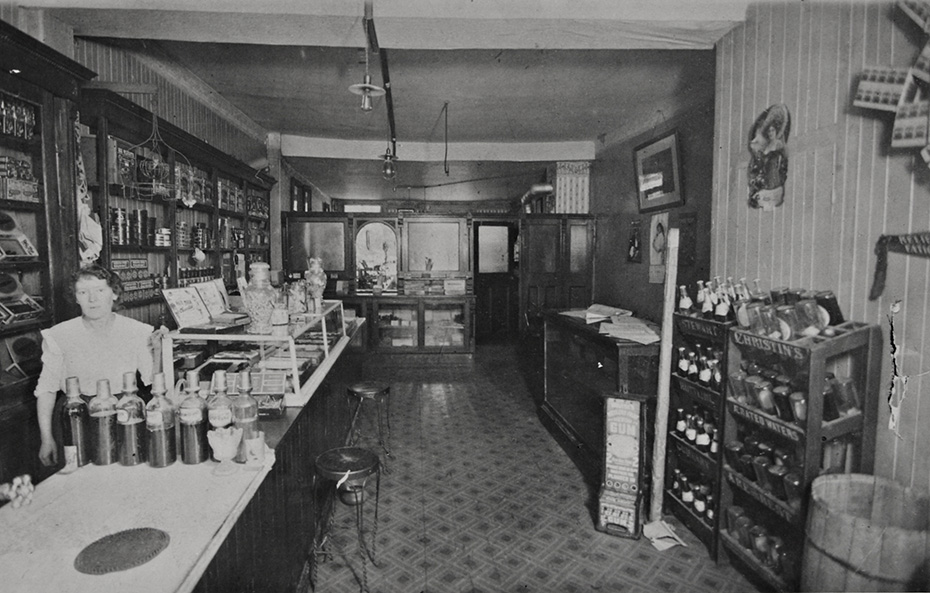
Benjamin Kravitz fled Lithuania in 1899 for Montreal, where he met his future wife, Fanny Schwartz. The couple opened a fruit and candy store on the corner of St. Lawrence Boulevard and Duluth Avenue. However, the neighbourhood’s working-class customers wanted sandwiches more than sweets. This inspired Ben to start using a recipe from his mother.
One secret behind the success
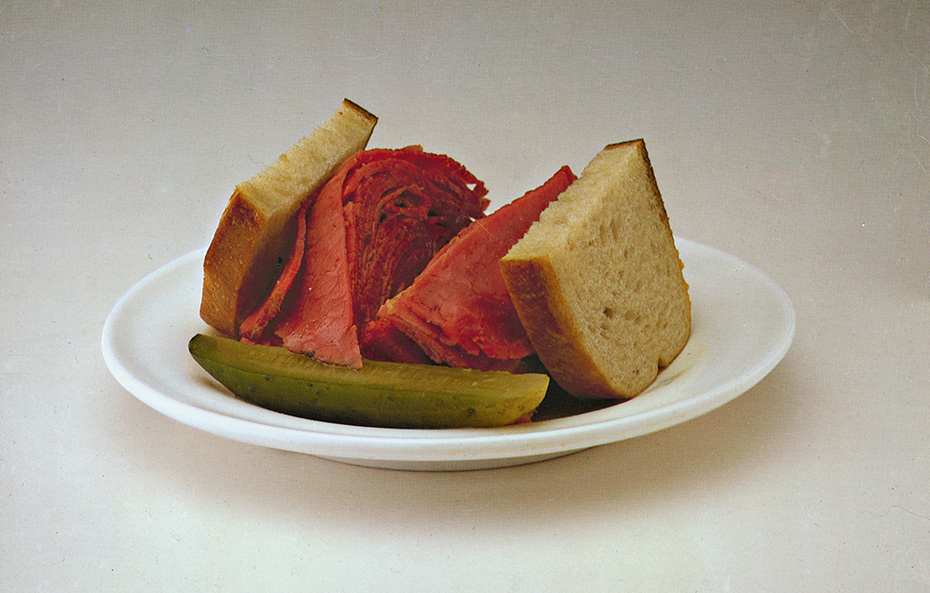
Montreal smoked meat is made from beef brisket, an inexpensive, readily available cut of meat. When marinated with spices for about 12 days and smoked, it becomes very tender and flavourful. Reheated by steaming, it is then finely sliced and served with mustard between two slices of rye. While Ben was not the first to serve a variant of this traditional recipe, he was certainly one of the most successful!
While no one has ever revealed the secret mixture of spices used to prepare Bens smoked meat, it is thought to contain peppercorns, coriander and celery seeds, dry mustard, paprika, garlic, salt and sugar.
Bens moves downtown
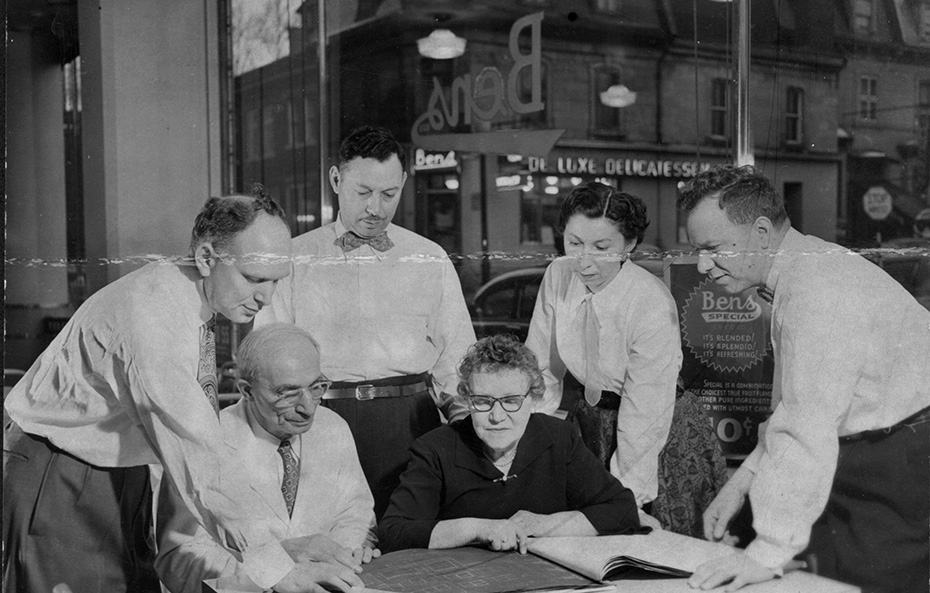
In 1930, Ben’s Delicatessen & Sandwich Shop moved to the corner of Burnside Place (now De Maisonneuve Boulevard) and Metcalfe Street. The centre of shopping, business and pleasure, downtown Montreal was filled with bustling crowds morning, noon and night. Consequently, the restaurant decided to remain open 22 hours a day.
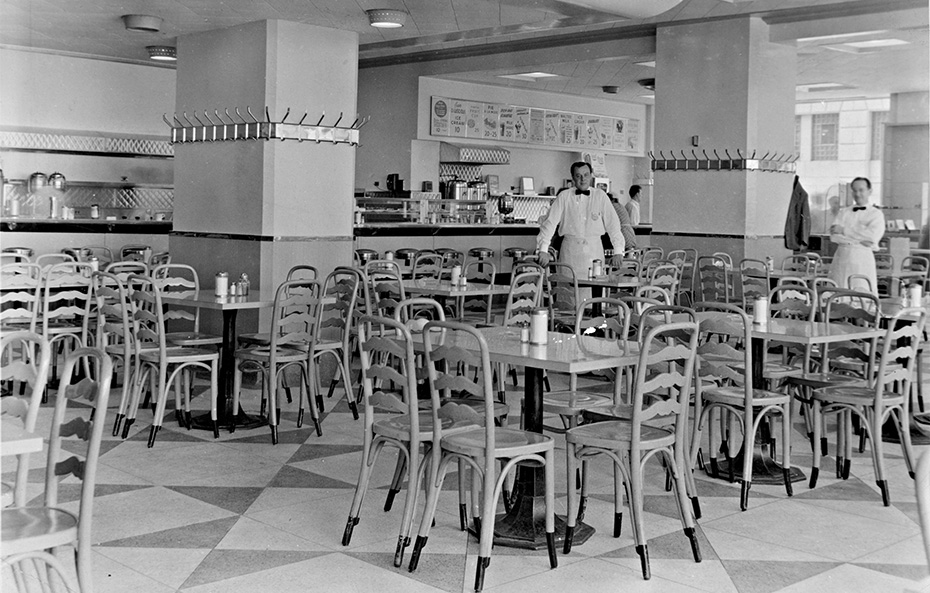
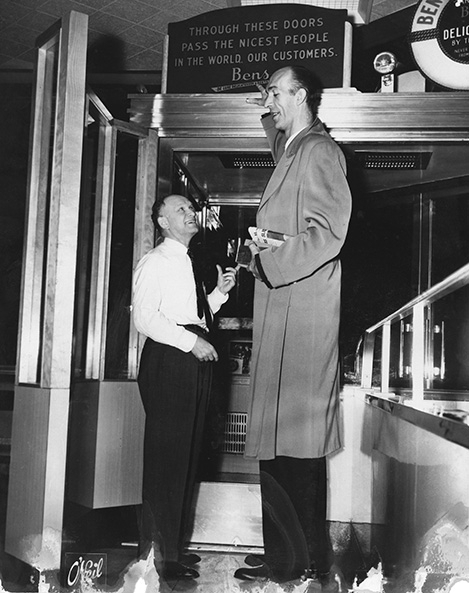
Victims of their own success, in 1949 the Kravitz family decided to build a larger restaurant on Burnside. Just across the street from the original, the new location was designed by architect Charles Davis Goodman and featured a style known as Streamline Moderne, a late type of the Art Deco movement.
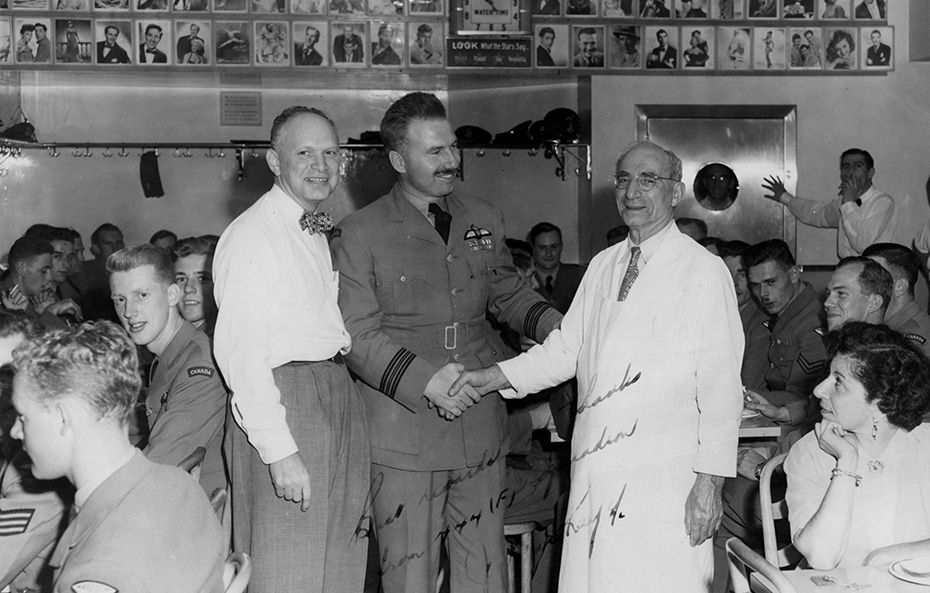
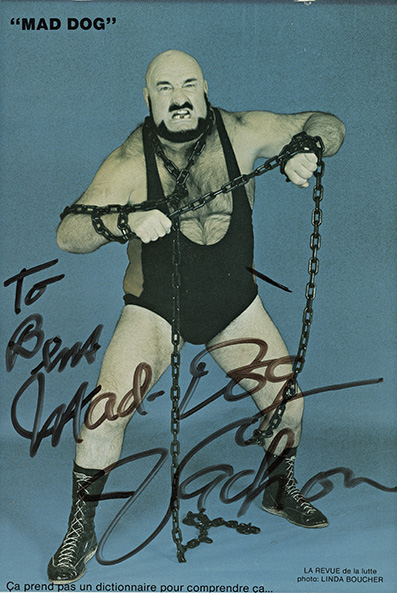
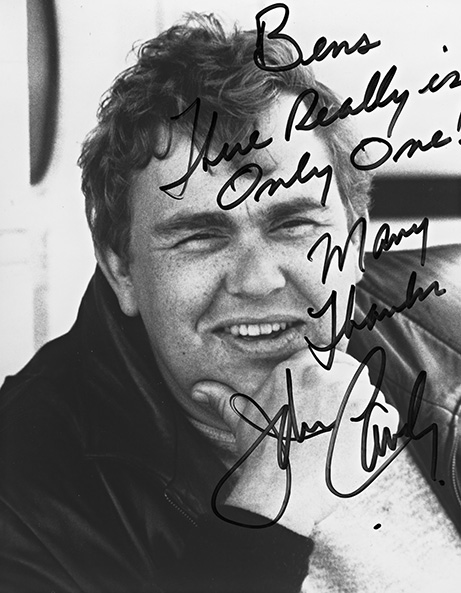
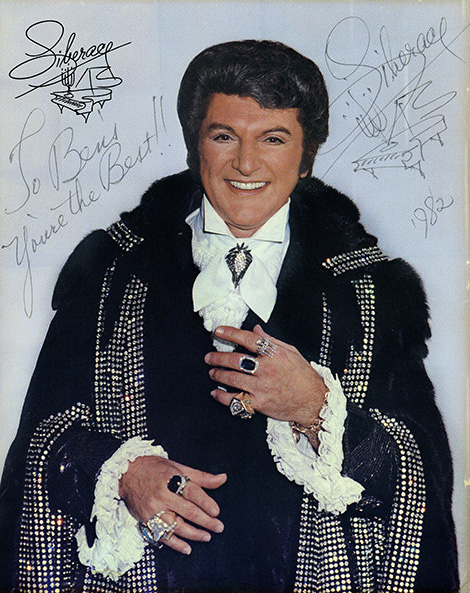
The deli’s “retro” look would become more pronounced over the years, but the restaurant’s originality also lay in the personal touch of those who ran it. The restaurant’s walls constituted a veritable cabinet of curiosities, featuring hundreds of autographed photos from both local and international celebrities!
Smoked meat: A popular phenomenon
The smoked meat sandwich—accompanied by pickles, coleslaw and french fries—remained the core offering on the menu and quickly became a Montreal specialty.
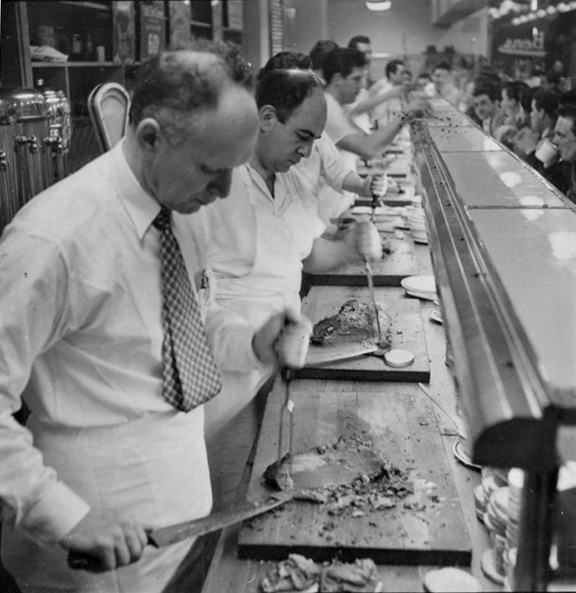
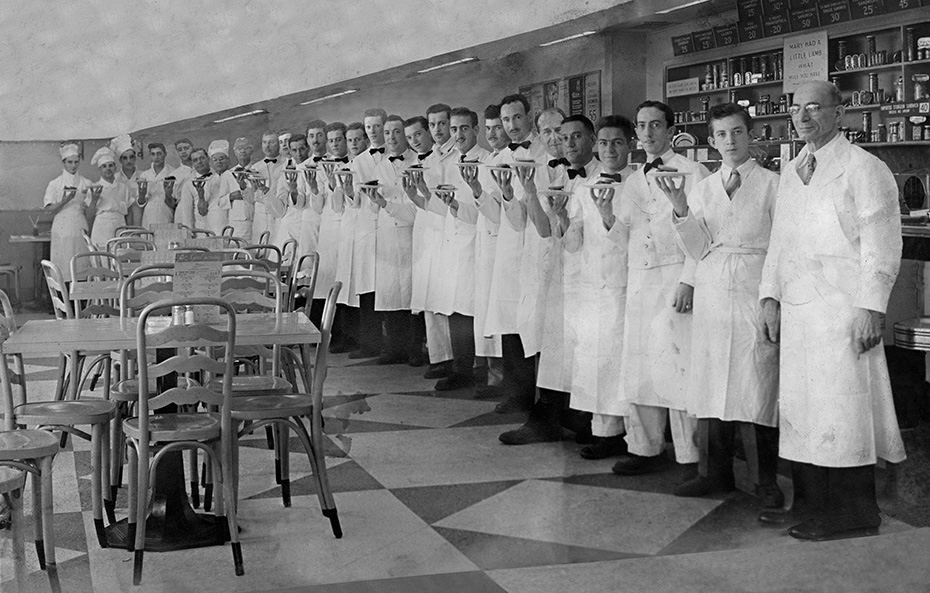
In 1960, Bens served 8,000 customers a day. This required:
- 1,250 pounds (about 565 kilos) of smoked meat
- 1,200 loaves of rye bread
- the tireless work of 80 employees
The restaurant's glamourous side
In the mid-1960s, the institution was still faithfully serving the various clienteles that frequented downtown Montreal. An eclectic parade of some 3,000 customers would come through the restaurant every night between midnight and 5 a.m.
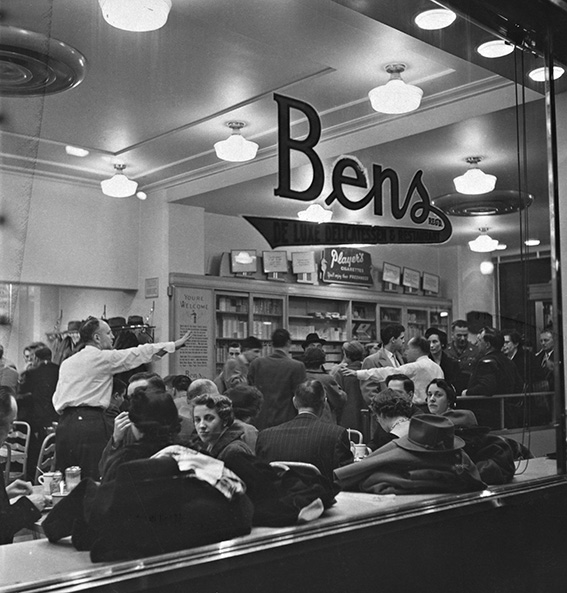
People from all over the world, including major international stars, would stop by to enjoy a good meal. Recommended by many tourist guides, the celebrated delicatessen boasted a reputation that transcended borders: it was the golden age.





The transformation of the downtown core
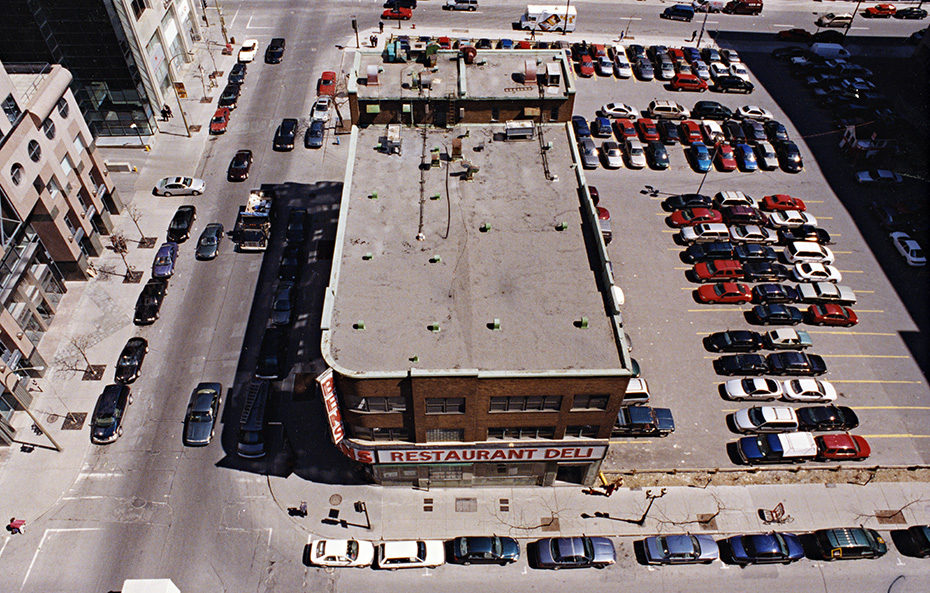
During the latter half of the 20th century, downtown Montreal expanded and grew denser. New by-laws allowed the construction of buildings taller than ten stories and developers coveted every lot. Canderel, a leading Canadian real estate developer, wanted to purchase the lot occupied by Bens. There was a lot of pressure to sell, but the Kravitz family stood up to the City of Montreal. After a long battle, it successfully avoided expropriation.
The delicatessen's legacy
In addition to the 2006 strike, various factors contributed to the closing of the legendary delicatessen, notably the increased number of restaurant chains that threaten the survival of smaller downtown businesses and the real estate boom that began in 2001 and has generated soaring property values. In addition, eating habits have changed over the decades and the nightlife that was once centred in the city’s downtown core has now spread out into various neighbourhoods.
An established Montreal specialty, smoked meat is here to stay. Deli-style restaurants are also very popular: Schwartz’s, Reuben’s, Dunn’s, Lester’s, Snowdon Deli, and the now closed Main and Ben Ash were all inspired by the model of Bens, which continues to shape the city’s culinary scene.


 Video
Video