
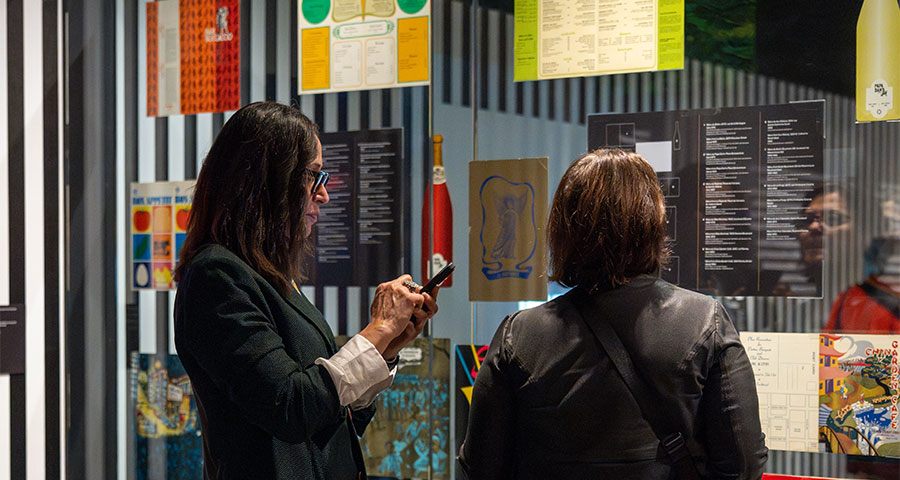
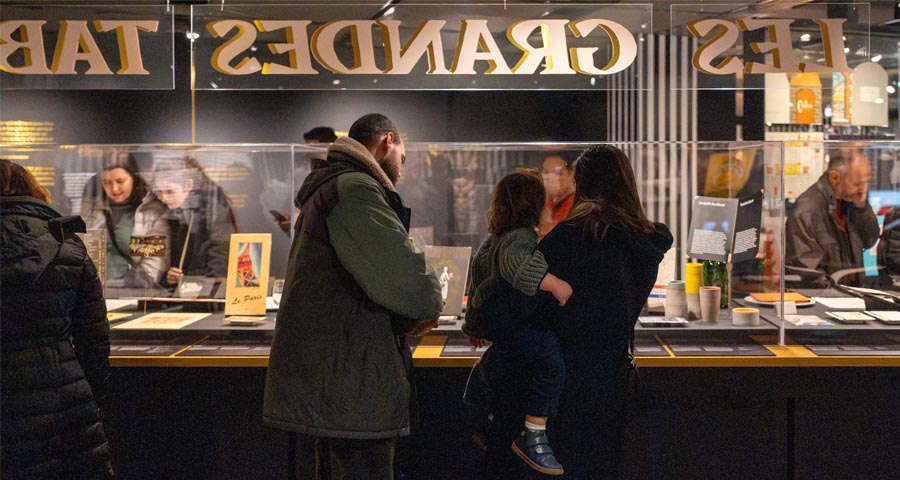
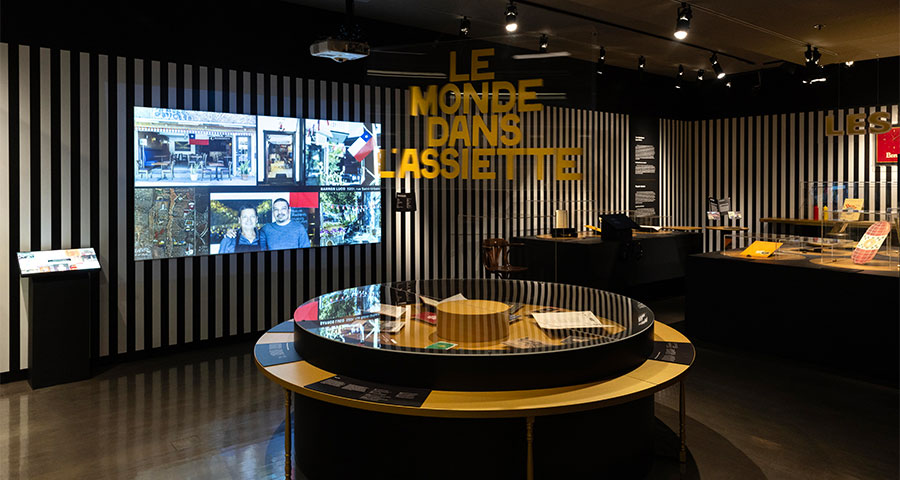

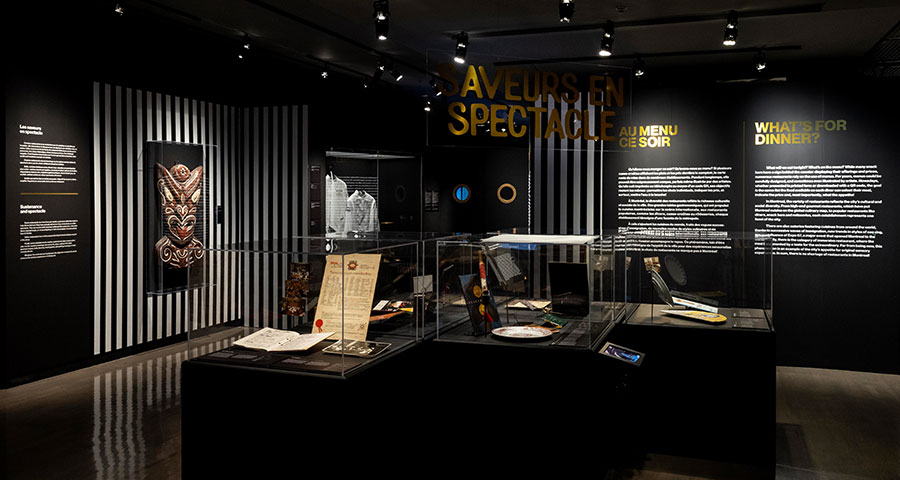

The exhibition On the Menu – Montreal: A Restaurant Story celebrates Montreal’s extraordinarily diverse and inventive food scene from the 1960s to today. Featuring a wealth of audiovisual testimonials, photographs, archives and objects displayed in an evocative setting, the exhibition highlights the evolution of Montreal restaurants, be they delis or fine dining establishments, and their crucial role in shaping the identity of both the city and province.
The exhibition also offers a voyage back in time: visitors will look back on iconic Montreal restaurants that have closed over the years and recall their own experiences of family celebrations, good times with friends, and romantic dates. The restaurants featured will evoke not only tastes, but shared memories.
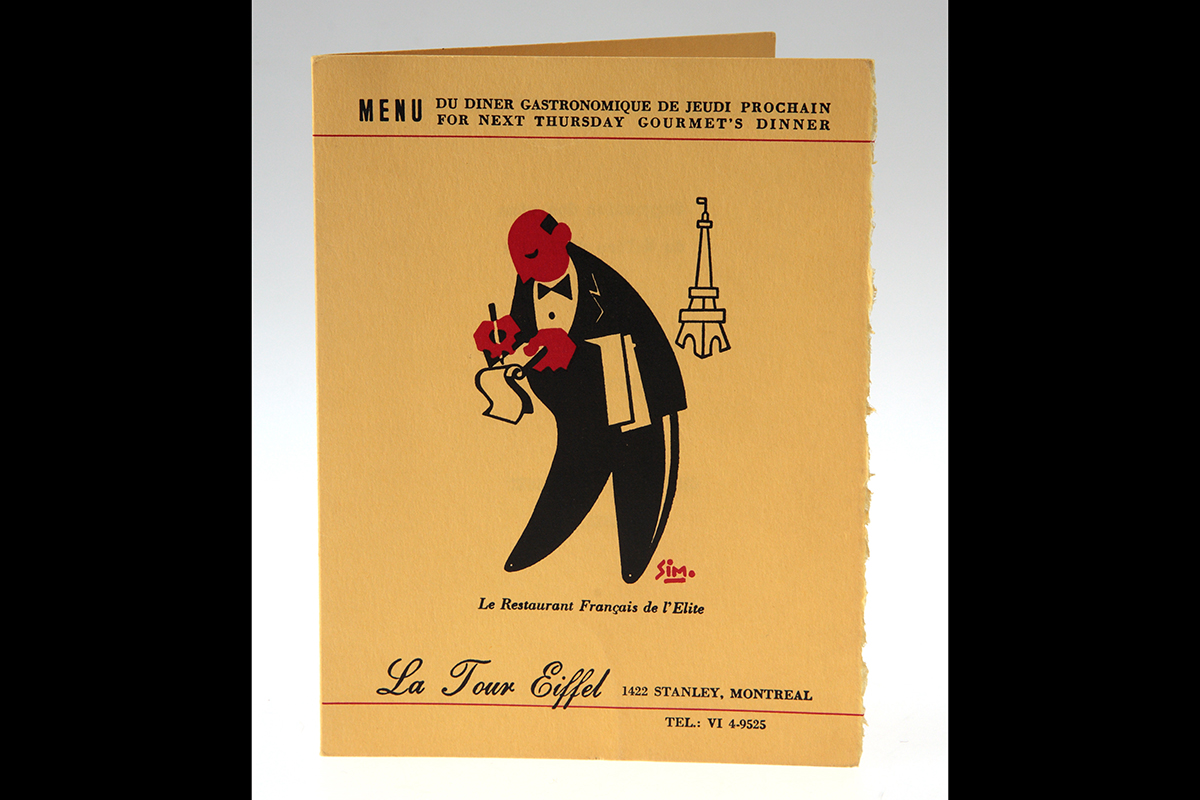
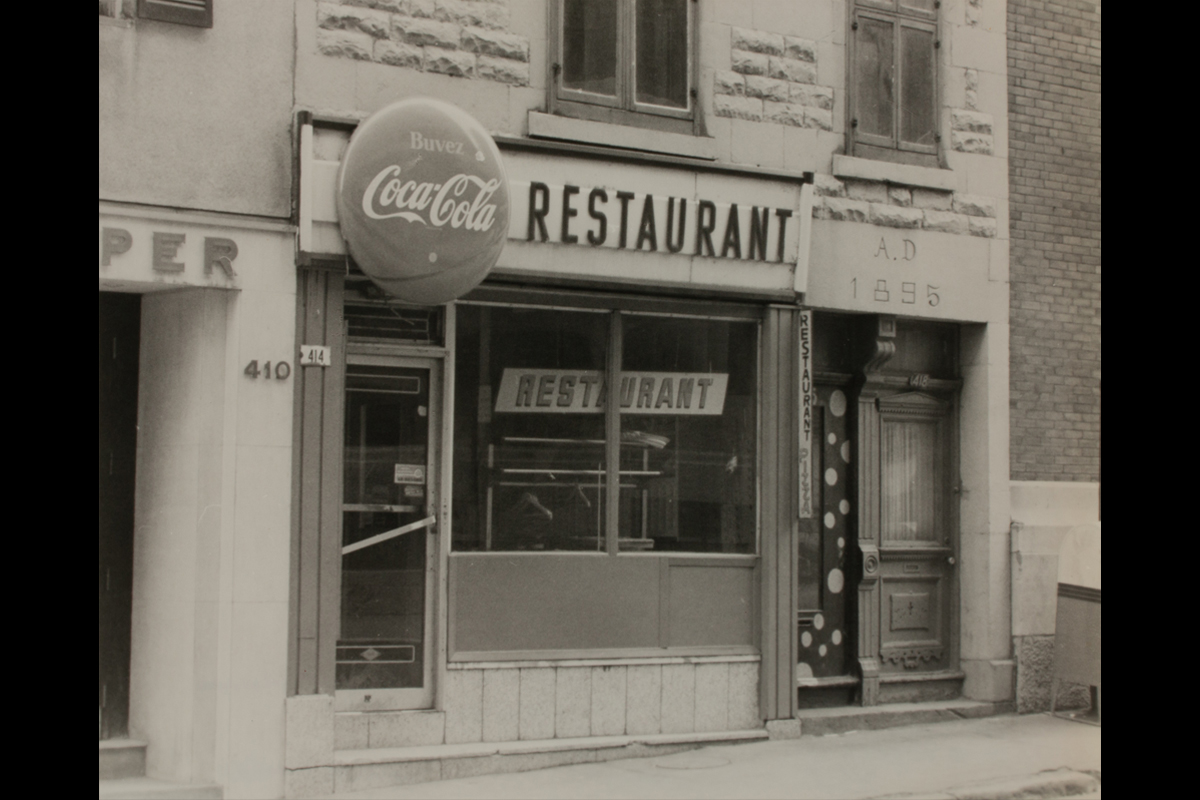
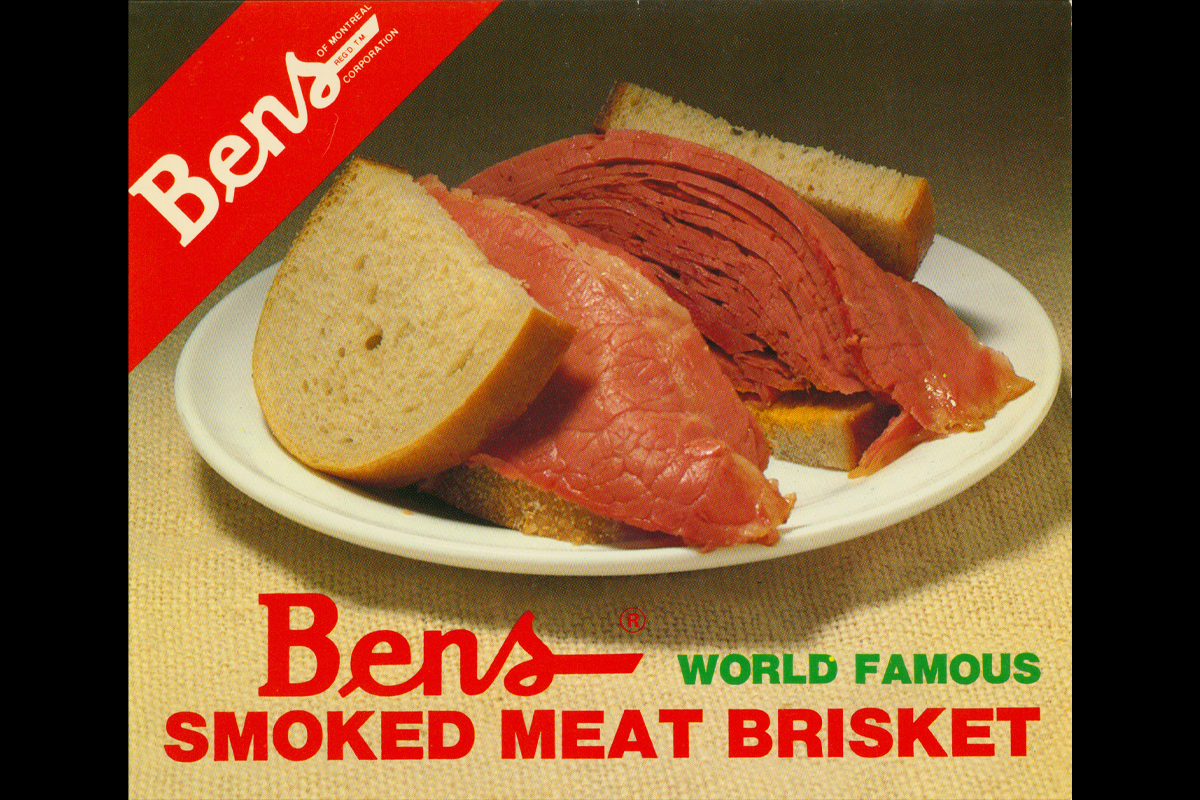
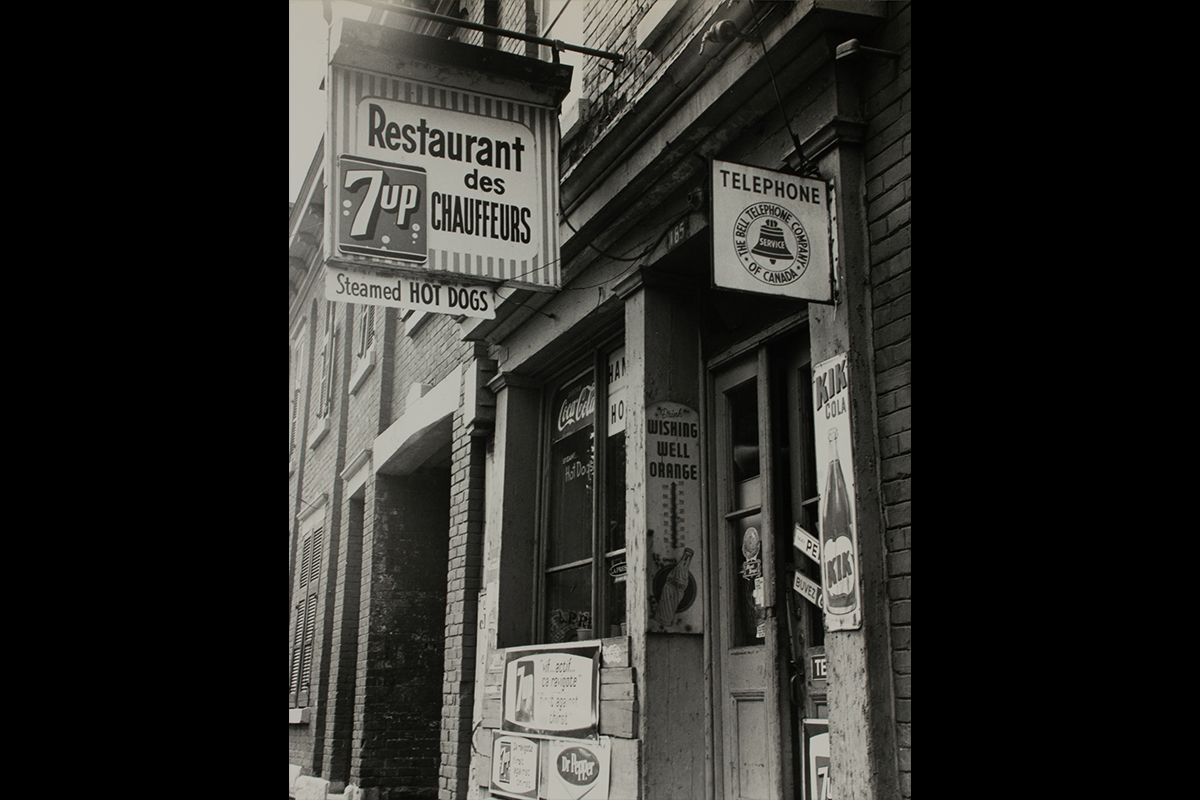
Aside from the food they offer, restaurants are places for meeting and discovering, symbols of identity and culture, indicators of social and economic change – as well as providing the backdrop for countless memories. Whether award-winning or unassuming, short-lived or long-lasting, local or international, each is the embodiment of an essential aspect of the city’s character.
Recognized today as one of North America’s foremost gastronomic capitals, Montreal boasts nearly 5,000 restaurants in 2025 – a third of all those in Quebec. Behind this culinary wealth lies a fascinating story that blends local traditions, creativity and influences from around the globe. The exhibition offers a window onto this vibrant world by tracing the evolution of Montreal’s restaurants. An exhaustive account would be impossible: the city has witnessed a succession of legendary eating spots, varieties of cuisine and influential figures sometimes now forgotten. On the Menu – Montreal: A Restaurant Story focuses on a selection of iconic establishments that serve to convey how neighbourhoods, communities and Montreal dining tastes have changed.
Inspired by Lesley Chesterman’s idea.
5 things to know
Montreal: Food Capital
Home to nearly 5,000 active restaurants—about a third of all those in Quebec—Montreal has truly earned its reputation as a North American food capital. It’s a city to explore one bite at a time!
Etymology: The Restaurant that Heals!
The word “restaurant” comes from the French verb restaurer, meaning “to restore” or “to heal.” We still use this verb today—including at the Museum!—to describe the process of restoring artefacts to their former state. The term comes from restaurants bouillons, establishments serving broths with restorative properties that first emerged in Paris in the late 18th century.
Living Legends
Among the city’s seemingly eternal snack bars, the title of longest-lived goes to the Montreal Pool Room, which has reached the venerable age of 113 (founded in 1912)! It’s followed by Dunn’s (1927), Schwartz’s (1928), Dilallo Burger (1929), Wilensky’s (1932), Gibeau Orange Julep (1938), La Binerie Mont-Royal (1938), Beauty’s Luncheonette (1942), Snowdon Deli (1946), Greenspot (1947) and St-Hubert BBQ (1951).
Men Only
Until 1981, women were banned from taverns in Quebec. Only men were able to watch the sports events televised there. La Cage – Brasserie sportive (formerly La Cage aux Sports) changed the game by welcoming women and families to dine while watching the match.
Pioneering Home Delivery: Before Uber… There Was St-Hubert!
Two quintessentially Quebec elements are behind the rise of home delivery: hockey and snowstorms. When these two “cataclysms” struck on a Saturday night, restaurant dining rooms were left empty. Delivery became a clever way to keep business going—and to feed sports fans while they stayed warm at home. Before the 60s, food delivery was rare. St-Hubert was one of the first restaurants to popularize this service in Quebec.
An eco-design approach
Reducing the environmental footprint
When the exhibition On the Menu – Montreal: A Restaurant Story was in the planning stages, the Museum developed strategies to reduce its environmental impact that were implemented during production. For example, the Museum’s existing stock of materials provided most of the elements used in the exhibition design: picture rails, benches, exhibition supports, and most of the display cases, with just one case purpose-built for the project. Decorative furnishings like counters and tabletops were created for the exhibition, but these new structures will be added to the Museum’s inventory for use in future exhibitions. Decorative items were purchased second hand. All of the multimedia equipment used in the exhibition (screens, projectors, headphones, sound monitors and computers) came from the Museum’s inventory. The exhibition texts were printed on new self-adhesive vinyl, as were the striped wallpaper and some of the labels.
Learn more about the Museum’s sustainable development process.
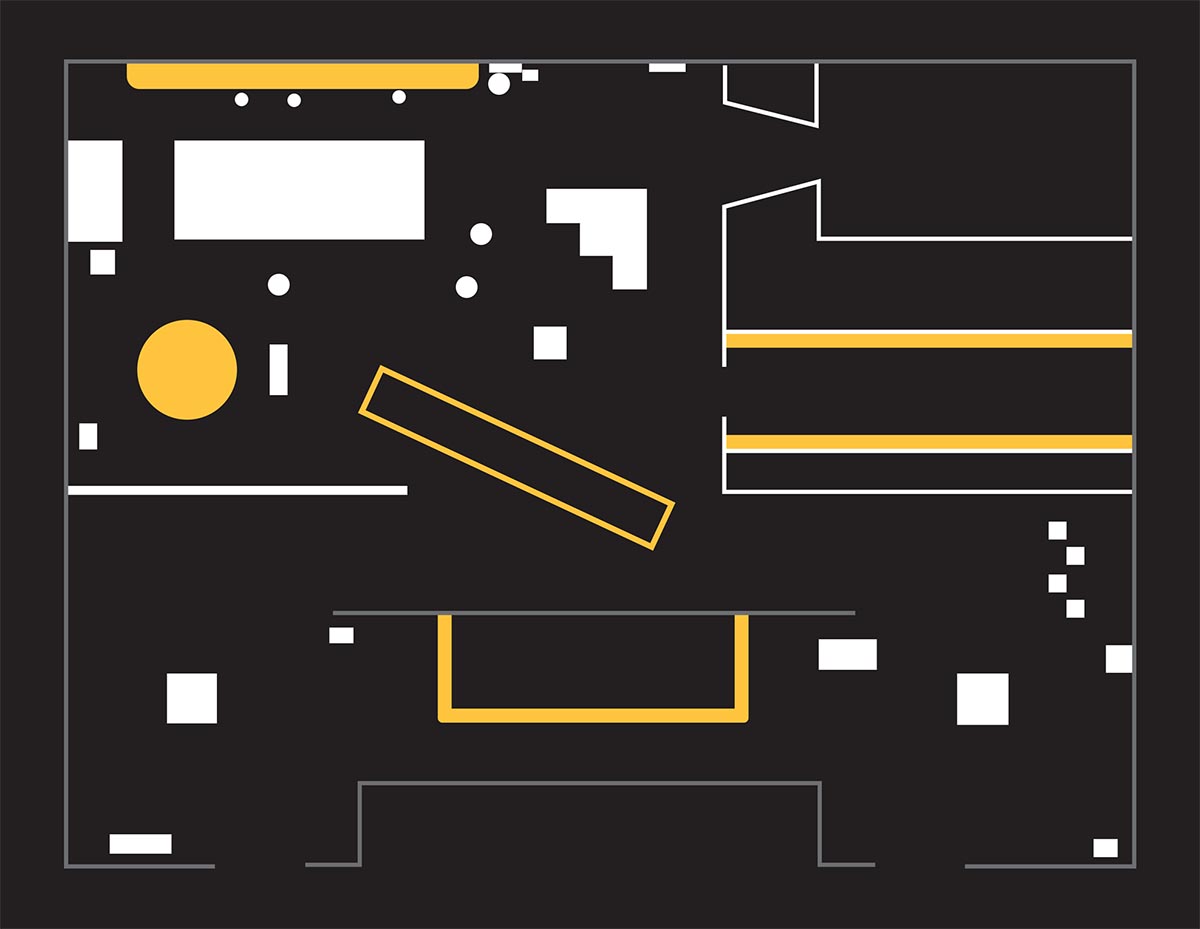
In white: Walls and furnishings taken from the Museum’s inventory.
In yellow: Furnishing made from new materials that will be added to the Museum’s inventory
Participatory approach
In accordance with the Museum’s Sustainable Development Policy, community involvement was vital to this project as it focussed on inclusion, collaboration and local knowledge. The Museum invited both the public and its staff to help by collecting objects, such as cooking pots, and sharing their memories of Montreal restaurants. Furthermore, members of the restaurant sector played a prominent role in developing the exhibition content by contributing personal stories, insights, and viewpoints, which has greatly enriched the museum experience. This participatory approach has helped strengthen the ties between the Museum and the Montreal restaurant community, while encouraging the reuse and promotion of local resources and knowledge.
Learn more about the Museum’s sustainable development process.
About
Acknowledgements
The Museum would like to thank its team and all the individuals, institutions and organizations who have contributed towards the presentation of this exhibition.
An exhibition produced by the McCord Stewart Museum. Based on an idea by Lesley Chesterman
Project Management
Catherine K. Laflamme, Senior Project Manager, Exhibitions
Curatorship
Guislaine Lemay, Curator, Material Culture
Scenario
Olivier Kemeid
With the assistance of Gwenaëlle Reyt, Guislaine Lemay, Catherine K. Laflamme and Annie-Pier Brunelle
Exhibition Texts
Olivier Kemeid
Scientific Consulting
Gwenaëlle Reyt, PhD, Executive Director, Lauriers de la gastronomie québécoise, Counsellor on Food Cultural Approaches, Conseil des appellations réservées et des termes valorisants, Lecturer and Researcher, ITHQ
Audiovisual Elements
Stéphanie Poisson, Head, Digital Outreach, Collections and Exhibitions
Exhibition Design
Guillaume Kukucka
Graphic Design
David Martin
Advisory Committee
Roxanne Arsenault, co-author of Kitsch QC (Montreal: Fides, 2021), Director of Artistic Programming, Battat Art Centre
Julia Csergo, PhD, researcher in the history of food and food heritage, adjunct professor in the Department of Urban Studies and Tourism, ESG UQAM
Caroline Dubuc, co-author of Kitsch QC (Montreal: Fides, 2021), Design Commissioner, City of Montreal Bureau du design
Alain Girard, PhD, sociologist, associate professor and researcher, ITHQ – GastronomiQC Lab
Laurence Hamel-Charest, PhD, anthropologist, researcher in Indigenous food cultures, notably restaurants
Alan Nash, PhD, Professor Emeritus, Department of Geography, Planning and Environment, Concordia University, research topics: cultural geography; Montreal restaurants
Patrick St-Vincent, Senior Director, Development Strategy and Business Relations, La Table Ronde
McCord Stewart Museum Team
Pascale Grignon, Senior Director, Programs and Engagement
François Vallée, Head, Exhibitions
Annie-Pier Brunelle, Intern and Assistant, Exhibitions
Mélissa Jacques, Supervisor, Technical Services, Exhibitions
Olivier LeBlanc-Roy, Technician, Exhibitions
Eugénie Bonneville, Technician, Exhibitions
Siloë Leduc, Technician, Exhibitions
Joëlle Blanchette, Technician, Exhibitions
Marie David, Intern, Exhibitions
Caterina Florio, Head, Conservation
Sara Serban, Conservator
Maria Castaneda Delgado, Conservator
Sonia Kata, Conservator
Caroline Bourgeois, Conservation Assistant
Karine Rousseau, Head, Collections Management
Geneviève Déziel, Cataloguing Coordinator, Collections Management
Camille Deshaies-Forget, Assistant, Collections Management
Heather McNabb, Reference Archivist, Archives and Documentation Centre
Josianne Venne, Senior Technician, Collections Management
Lorie-Anne Chamberland, Technician, Collections Management
Laura Dumitriu, Senior Photographer
Anne-Frédérique Beaulieu, Officer, Digital Outreach, Collections and Exhibitions
Maria-Luisa Romano, Head, Education, Community Engagement and Cultural Programs
Elysa Lachapelle, Project Manager, Education, Community Engagement and Cultural Programs
Leïla Afriat, Officer, Community Relations
Facilitator Team
Catherine Morellon, Head, Communications
Charlie Touikan, Officer, Publicity, Promotions and Partnerships
Sabrina Lorier, Manager, Digital Engagement
Anne-Marie Demers, Graphic Designer
Marc-André Champagne, Officer, Public Relations
Philippe Bergeron, Officer, Digital Engagement
External Team
Video Editing and Creation
Louis-Martin Duval
Tomi Grgicevic
The Main
Recording and Soundtrack
Vincent Cardinal
Voices
Simon Bouchard
Howard Chackowicz
Research
Annick Brabant
Amélie Masson-Labonté
Editing and Translation
Edith Skewes-Cox, English
Pascale Guertin, French
Lighting Design
LightFactor Inc.
Graphic Production
Pro Séri
Construction of Exhibition Modules
ACMÉ décor inc.
Vincent Houle
Installation
Espace Montage
Audiovisual Installation
Éric Fauque
Eric Le Brech
Photography
Scott Usheroff @cravingcurator
Painting
René Gauthier
Lili Provost
Gabriel
Joseph Bouchard
We would like to thank the following individuals for their generosity and invaluable assistance
Swaneige Bertrand
Lesley Chesterman
Jean-Paul Grappe
Jean-Thomas Jobin
Donations and Loans
Our sincere thanks to all the generous individuals who loaned objects and shared stories.
Nathalie Bandulet
Laurent Blais
Marc Bolay
Christopher Burns
Lyne Chagnon
Marie Chevrier
Anne-Laure Cissé
Marc Cohen
David Connor
Binidza Cruz
Anne-Emmanuelle Cyrenne
Ursula Carmichael
Anne Fortin
Laurent Farre
Sandra Ferreira
Alain Gauthier
Marjorie D. Cooper Gawley
Jessica Geddes
Anna Goodson
Anthoni Jodoin
Wahid Khan
Cindy Labranche
Mariette Lafontaine
Philippe Laloux
Diane Landurie
Sibylle Landurie
Helen Langguth
Normand Laprise
Rita Lavoie
Day’s Lee
Patricia Lévêque
Maria Liguori
Jamie Lovell
James MacGuire
Harry Marciano
François Marchal
Gaétan McLaughlin
Normand Laprise
Frédéric Morin
Antonin Mousseau-Rivard
Marlène Paradis
Bob Parent
Anne Park
Caroline Paulvé
Claude Pelletier
Cynthia Pelland
Martin Picard
Marie Pigelet
Jezabel Pilon
Johanne Pilon-Vallée
Marie-Claude Poucan
Shawn Rosengarten
Émile Saine
Francisco Silva
Ezra Soiferman
Matt Soar
Karen Tam
Patrick Thibault
Josée Vaillancourt
Sharon Wilensky
Zoya de Frias
Anthony Zammit
Benoit Dessureault
Vox pop interviewees
Mehr Bakhsh
Serge Bergevin
Daniel Bromberg
Arnaud Casera
Augustine Castonguay
Matthew DeCaro
Leanne D’Antoni
Fleurine Noel Djidere
Ava Farivar
Garrett Gordon
Peter Hickson
Adrienn Janics
Pascaline Knight
Marianne K Laflamme
Liane Laroche-Guilbeault
Christina Lee
Paul Le Boclaire
Laurianne Lucas
Isabelle Marleau
Esther Kadidia
Cali Nadon
Richard Nantel
Denis Pelchat
Gabriel Pelletier
Alice Tremblay
Gabryel Thibeault
Fanny Thauvette
Guy Thauvette
Cécile Vigneau-Simms
Ethan Vranic
Olivier Kemeid
Olivier Kemeid is a writer, director, actor and artistic director of the theatre company Trois Tristes Tigres. A leading figure in Quebec’s theatre scene, he served as artistic director of Espace Libre from 2006 to 2010 and of Théâtre de Quat’Sous from 2016 to 2023. He has written around 15 plays, many of which have been translated and performed internationally. Four of his works have been nominated for the Governor General’s Literary Awards: La vengeance et l’oubli (Leméac, 2024), Five Kings (Leméac, 2015), Moi, dans les ruines rouges du siècle (Leméac, 2013) and L’Énéide (Lansman, 2008 / Leméac, 2019). Translations of L’Énéide have been performed on major international stages, including in Potsdam (Hans Otto Teater), Rome (Teatro di Roma), Canada (Stratford Festival) and New York (Theater at St Clement’s). His play Moi, dans les ruines rouges du siècle won the 2012 award from the Association québécoise des critiques de théâtre for best production in Montreal. Throughout his career, Kemeid has collaborated with some of the most influential voices in contemporary theatre, including Wajdi Mouawad (Nous qui ne rêvions plus), Robert Lepage (Projet Riopelle) and Denis Marleau (Le vieux monde derrière nous).
Guislaine Lemay
Guislaine Lemay joined the Museum in 1992, working primarily with the Indigenous Cultures collection. She studied anthropology and archeology and holds a master’s degree in ethnohistory from Université de Montréal. In 2010, she took charge of the Museum’s Decorative Arts collection. In 2016, with funding from Quebec’s digital culture plan, she took part in a major digitization project to photograph pieces of glassware and ceramics from the Museum’s collection. In 2019, she was named Curator of Material Culture, a collection created following the merger of the McCord Museum and the Stewart Museum. This extensive collection consists of artefacts that illustrate domestic interiors, scientific advances, community life and consumption habits. The range of objects includes furniture, items related to food preparation, interior decoration and household management, numismatic materials, terrestrial globes and navigation instruments, hunting, fishing and sporting equipment, weapons and objets d’art.
Gwenaëlle Reyt
Gwenaëlle Reyt is an expert on cultural approaches to food.
She holds a doctorate in urban studies and focuses on Montreal restaurants and Quebec’s culinary identity. She works as executive director of the Lauriers de la gastronomie québécoise while continuing to collaborate with several institutions, including the ITHQ and the Conseil des appellations réservées et des termes valorisants (CARTV).

Learn more about what’s cooking in the exhibition with Guislaine Lemay, curator at the Museum and Olivier Kemeid, writer of the scenario for the exhibition.

Roundtable
September 26, 2026 | 1:30 p.m.
More Than Pho: 50 Years of Vietnamese, Cambodian and Laotian Restaurants in Montreal
Attend a roundtable about the arrival of Vietnamese, Cambodian and Laotian cuisines in the late 1970s and their significant role in shaping the city’s culinary identity.
Book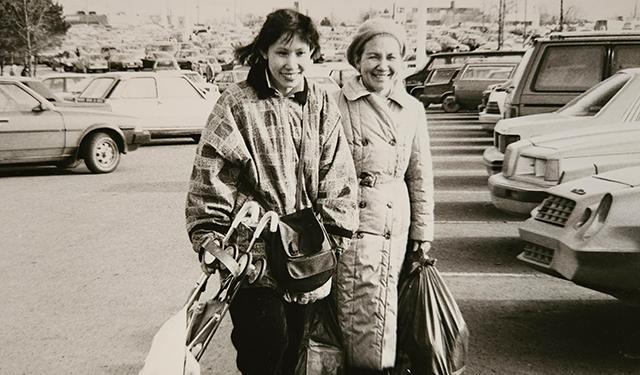
Space is limited | Museum admission ticket required
Guided tours for the general public
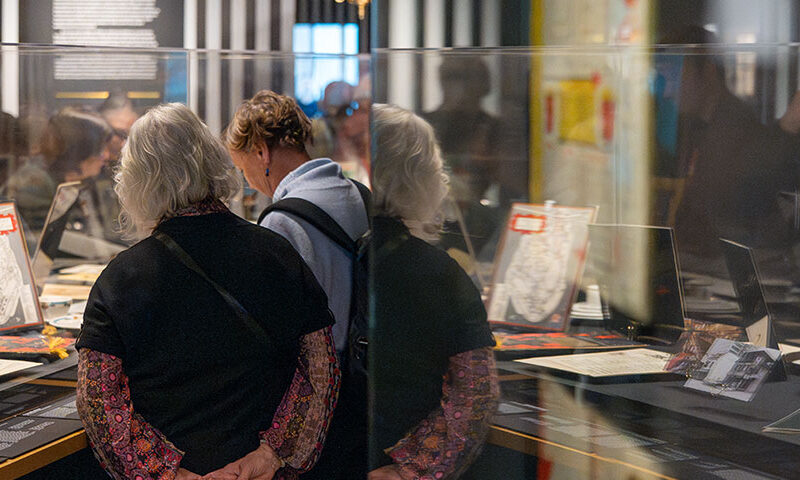
Deepen your understanding of the exhibition and ask questions to our cultural facilitators about the topics explored in one of our guided tours.
Reservation on site at the Museum, limited capacity
Family tour
Booklet | In the exhibition
A scrumptious family tour!
Explore the exhibition while having a blast: this tour includes fun facts about Montreal restaurants, eye-spy games in the galleries, and creative activities. Bonus challenge: look for the pig Tire-Bouchon, who’s hiding in the four corners of the exhibition!
Recommended for children aged 5 to 10. Booklet available at the Admissions Desk, while quantities last. Admission is free at all times for ages 17 and under. Accompanying adults must purchase a Museum admission ticket.

Contest
Until October 23, 2026
Montreal on the Menu: A Year of Dining Out
Until October 23, 2026, indulge your cravings—and try your luck at winning one of 12 prizes (valued at over $6,000 total)!
Enter the contest
Group programming
60 minutes | Until October 23, 2026
Guided tour designed for groups
Let the Museum education team guide you, and discover the extraordinary diversity of Montreal’s restaurant scene, from the 1960s to today.
Book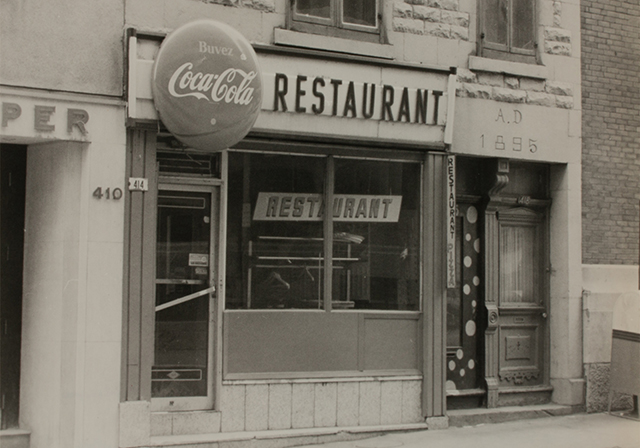
Blog | Behind-the-scenes access
Bens — The Legendary Deli
On July 20, 2006, the staff of Bens Delicatessen went on strike. Here is the story behind this nearly century-old deli that closed in December 2006.
Read article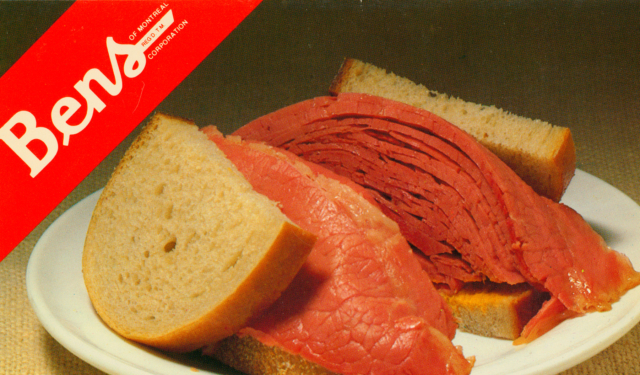
Blog | Behind-the-scenes access
Lesley Chesterman and restaurant reviews
Dive into the world of restaurant reviews with Lesley Chesterman, author, food writer, and spokesperson of the exhibition.
Watch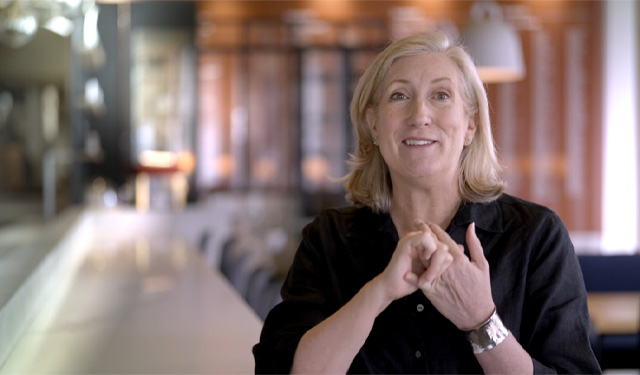
Blog | Behind-the-scenes access
Montreal Restaurants: History, Legacy, Creativity and Vitality
The Museum is bringing together leading voices and longtime experts from the city’s restaurant scene for a roundtable discussion exploring its history, legacy, creativity and current vitality. Hosted by writer, food critic and exhibition spokesperson Lesley Chesterman, the conversation features chef, writer and teacher Jean-Paul Grappe and chef Normand Laprise, as well as journalist and historian Hélène-Andrée Bizier.
Watch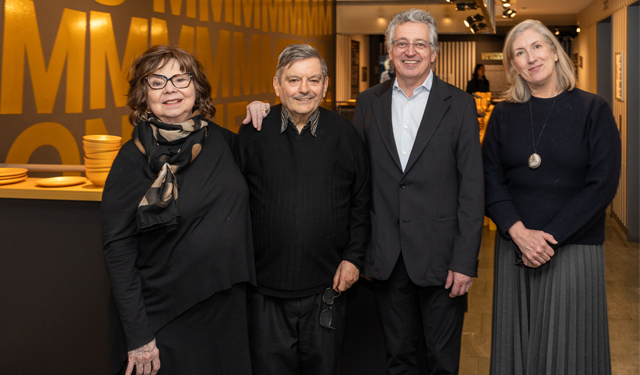
8th edition of Lauriers de la gastronomie québecoises
Awards and honours
Finalist in the category “Business or initiative of the year”
On the Menu – Montreal: A Restaurant Story, presented by Fonds OVI, is one of the five finalists of Lauriers de la gastronomie québécoises in the category “Business or initiative of the year” for its 8th edition.
Learn more
ITHQ
A word from our partner
Linger longer over an ITHQ foodie bonus
Upon presentation of your ticket to the exhibition at the Restaurant de l’ITHQ, you may enjoy a complimentary dessert with the purchase of an appetizer and a main course from the lunch menu.
This offer is limited to one (1) use per ticket. It is non-transferable, non-exchangeable, non-refundable, non-redeemable for cash, and cannot be modified or combined with any other promotion or special menu. Valid from November 26, 2025, to October 18, 2026.

Lightspeed
A word from our partner
Proud sponsor of the exhibition
Founded in Montreal 20 years ago, Lightspeed empowers ambitious restaurateurs in over 100 countries. Beyond technological innovation, we are proud to support the restaurants that shape Montreal’s identity and a new generation of culinary excellence in the restaurant industry.
Learn more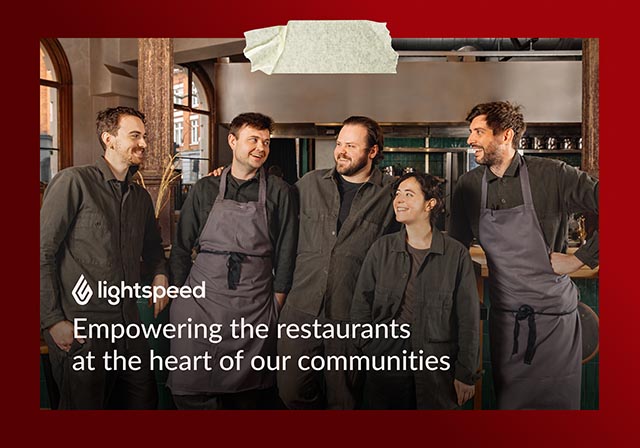
Presented by

Innovation Collaborator | Institutional Partner


Premier Partner Montreal Stories

Associate Partners



Lead Media Partner








Be an insider!
Subscribe to our newsletter to get the inside scoop on upcoming exhibitions and cultural events.
Subscribe now