
Montreal 1976: An Olympic Feat
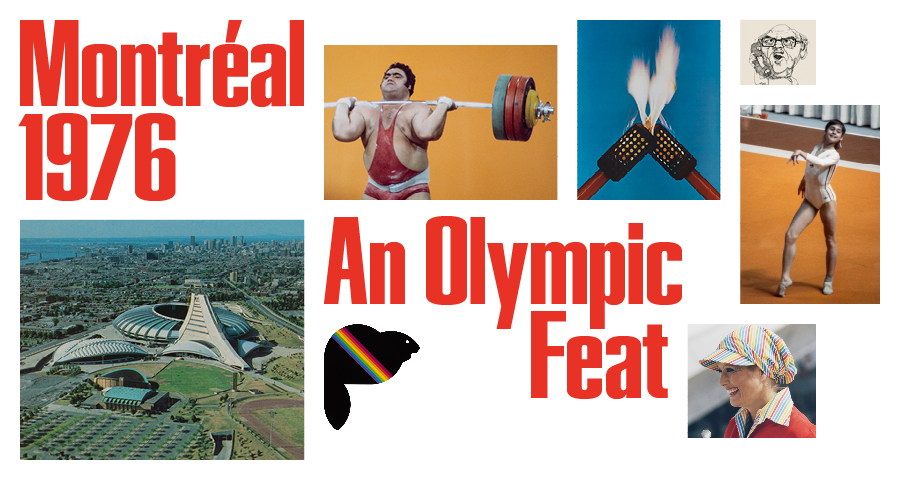
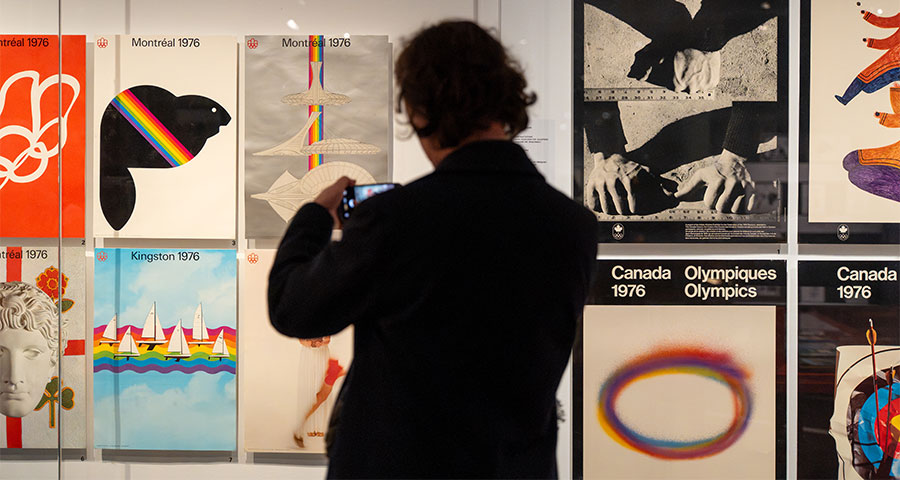
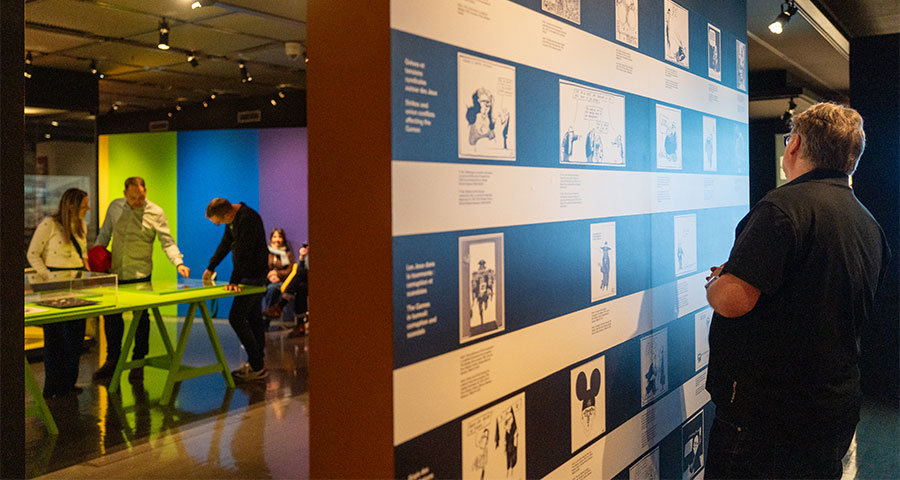
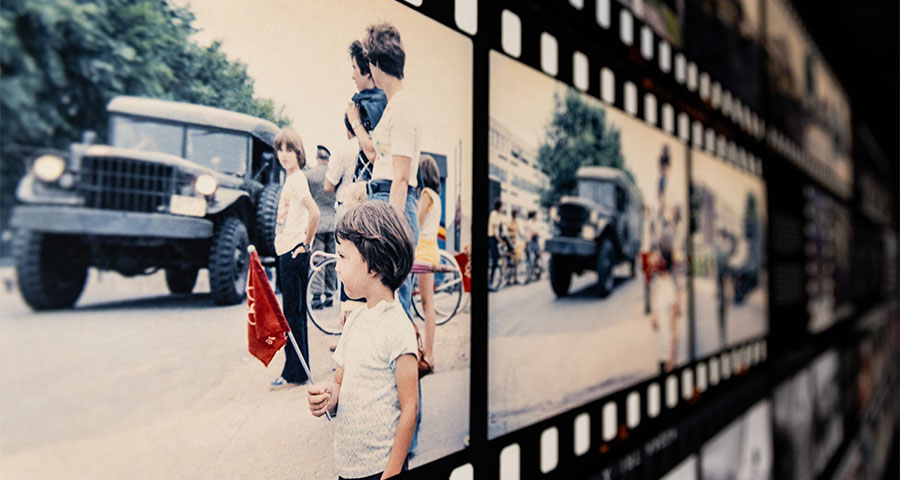
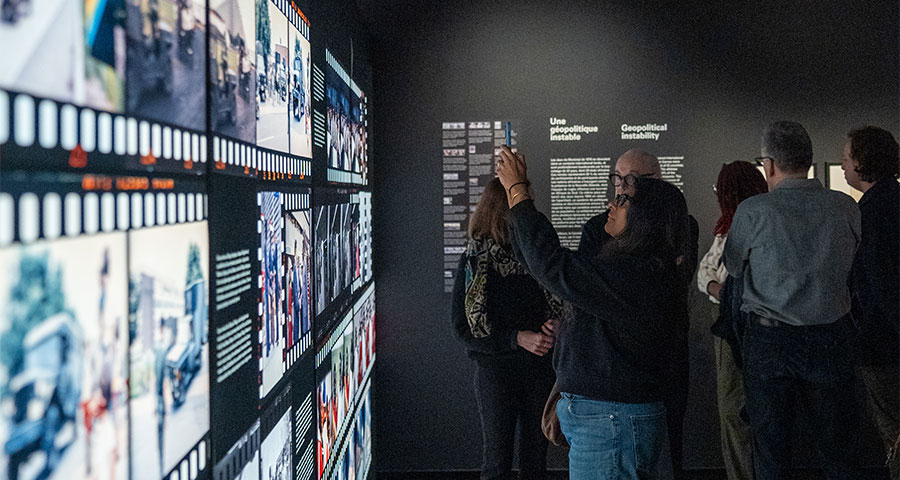
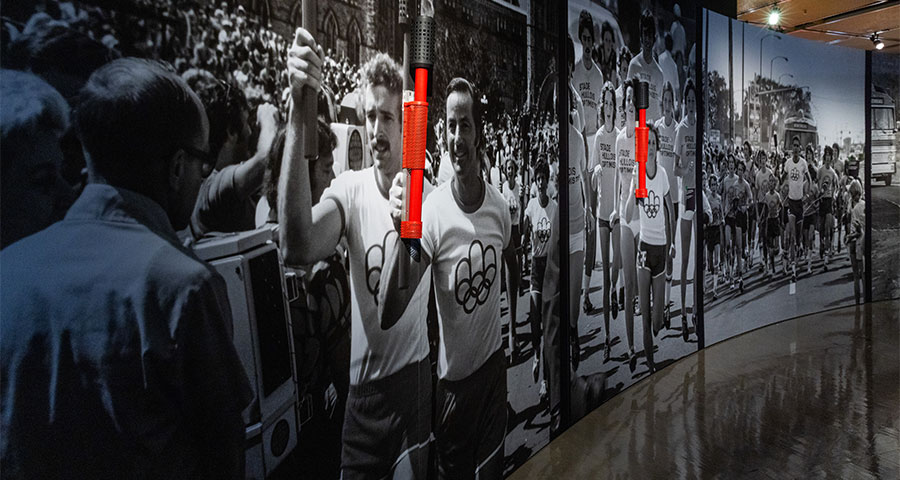
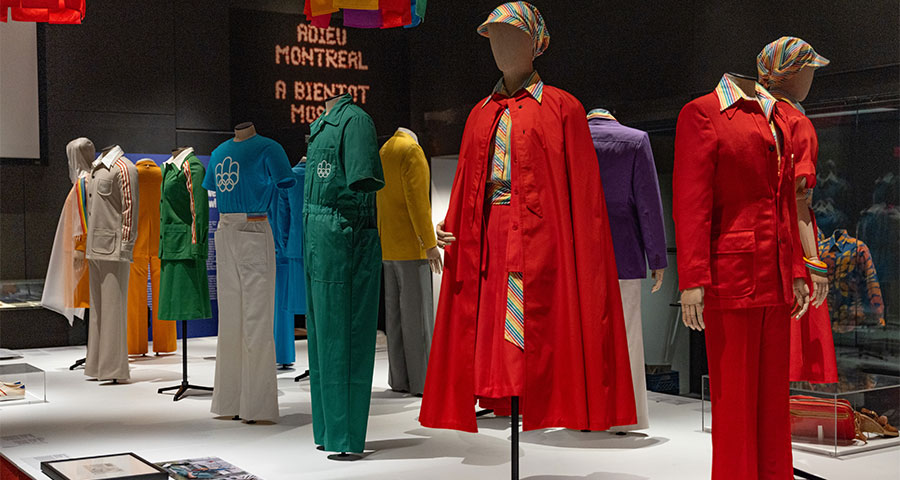
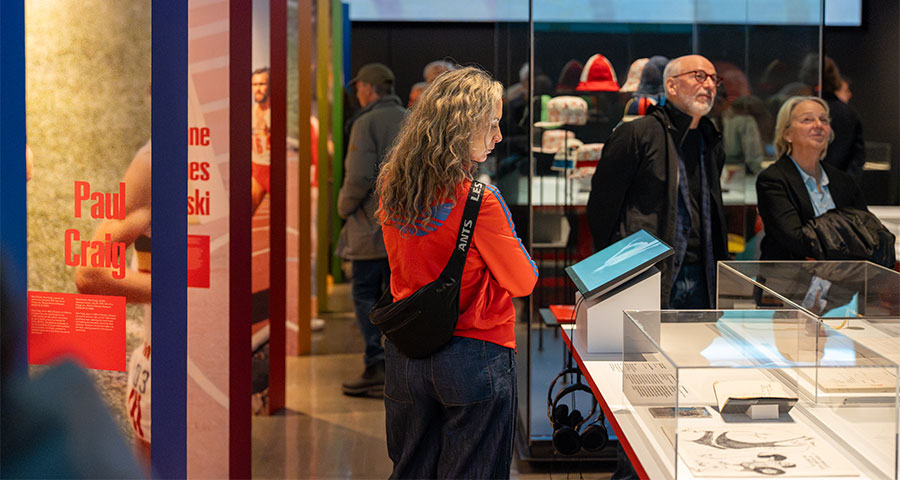
To mark the 50th anniversary of the 1976 Olympic Games in Montreal, the Museum presents an unprecedented retrospective on this global event. Featuring a rich collection of documents and objects—including archives, artefacts, editorial cartoons, uniforms, posters, and photographs—the exhibition explores the many facets of the Games, with a special focus on their aesthetic and design elements.
At the intersection of political ambition, architectural innovation, and urban transformation, the Montreal Games ultimately relied on a remarkable organization that was widely acclaimed. Beyond the athletic feats, this exhibition invites visitors to explore the successes and challenges that shaped the preparation of the 1976 Games, the excitement that surrounded their staging, and the complex legacy they left on Montreal’s identity and international image.




5 things to know
Montreal: An Olympic Dream
In the wake of Expo 67, and driven by the ambition of Mayor Jean Drapeau, Montreal underwent a profound transformation, evolving from a North American metropolis into an international city. Guided by Olympic ideals and a desire to assert Montreal’s modernity and distinct identity on the world stage, Drapeau championed the city’s bid to host the 1976 Olympic Games.
This project was the culmination of his vision, marked by the creation of major institutions and infrastructure, the emergence of strong architectural symbols, and the development of a cohesive image supported by innovative visual design.
A Showcase of Montreal Design, Architecture and Creativity
The Montreal administration used the Games as an opportunity to launch an ambitious cultural initiative. Taking advantage of this global platform, the Organizing Committee for the Olympic Games established a design office and enlisted renowned architects and artists—including Roger Taillibert, who designed the Stadium and the Velodrome—to develop a strong, cohesive and resolutely modern visual identity. Montreal 1976 stands as a rare example where design, culture, architecture, organization, the city and sport are so closely intertwined that they form a single, unified whole. From architecture and signage to posters and uniforms, the Games’ aesthetic combined local creative innovation with the international trends of the time.
Historic Sporting Moments
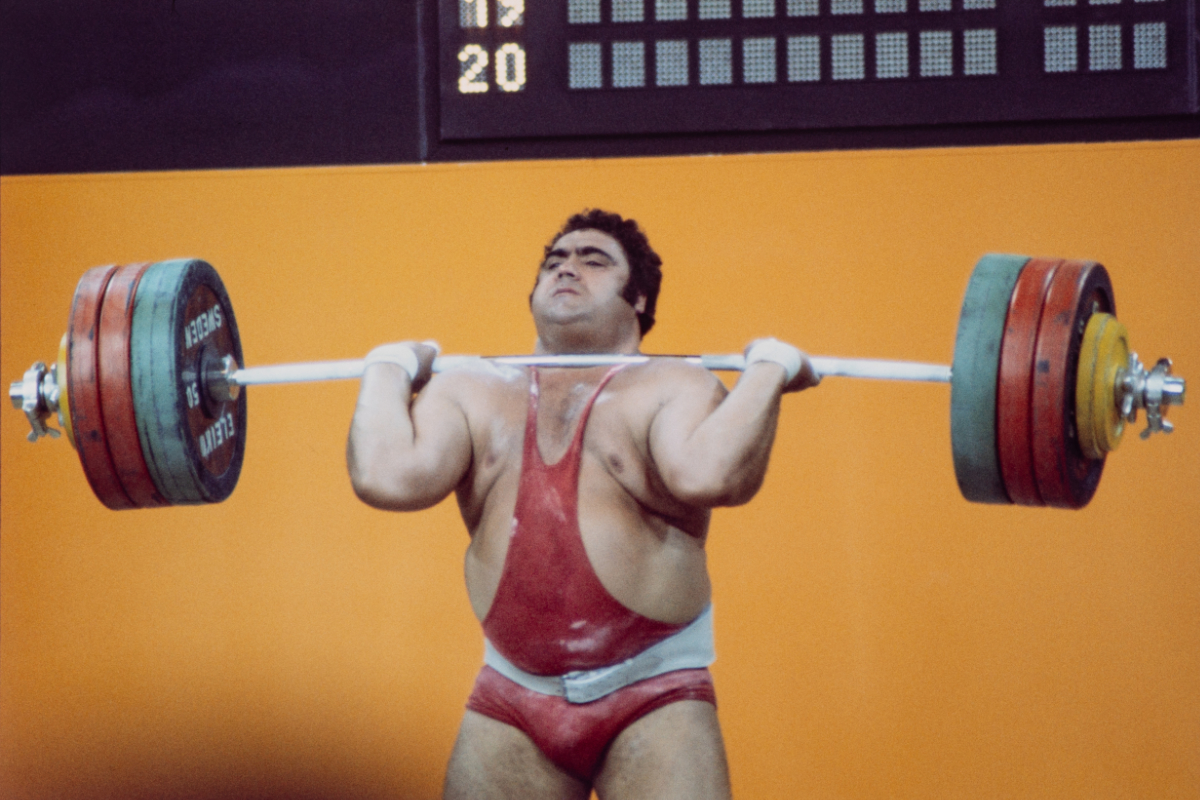
While the exhibition focuses on the behind-the-scenes organization, the Montreal Games also witnessed defining moments in international sport:
- On July 18, 1976, Romanian gymnast Nadia Comăneci scored the first perfect 10.00 in Olympic history on the uneven bars.
- Canadian athlete Greg Joy delivered a memorable performance on July 31, clearing 2.23 m in the high jump final to win silver for Canada.
- American swimmer Shirley Babashoff played a key role in a dramatic victory in the 4×100 m freestyle relay, amid tense rivalries and controversy surrounding East German doping.
- On July 30, 1976, Caitlyn Jenner, who was competing at the time as Bruce Jenner, won the decathlon and was hailed as “the greatest athlete in the world.”
Controversies and Political Tensions: The Games Are Always More Than Sport!
Organizing the Games proved to be a formidable challenge. Major obstacles marked the preparations—cost overruns, inflation, labour strikes and the Corridart controversy—making the lead-up to 1976 an ordeal in its own right. These local tensions were compounded by significant international pressures. The boycott by 29 African countries, the issue of Taiwan’s non-recognition, and the lingering impact of the Munich massacre profoundly shaped the dynamics of the event.
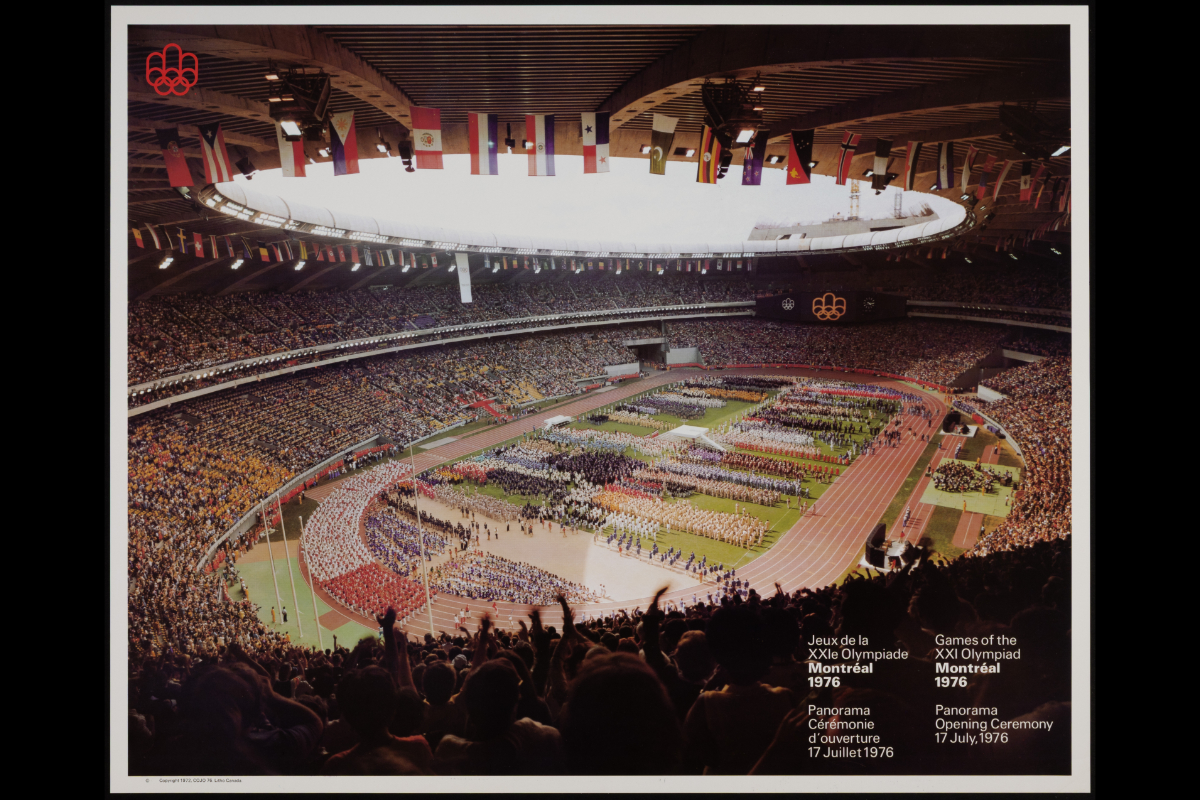
And yet, the Montreal Games were ultimately hailed as a resounding success, with Mayor Jean Drapeau receiving standing ovations at both the opening and closing ceremonies.
A Lasting Legacy That Still Shapes Montreal
The 1976 Games left a lasting imprint that continues to shape Montreal’s identity. Sport transformed the city, but the city, in turn, shaped the sporting experience, with urban features influencing how competitions unfolded.
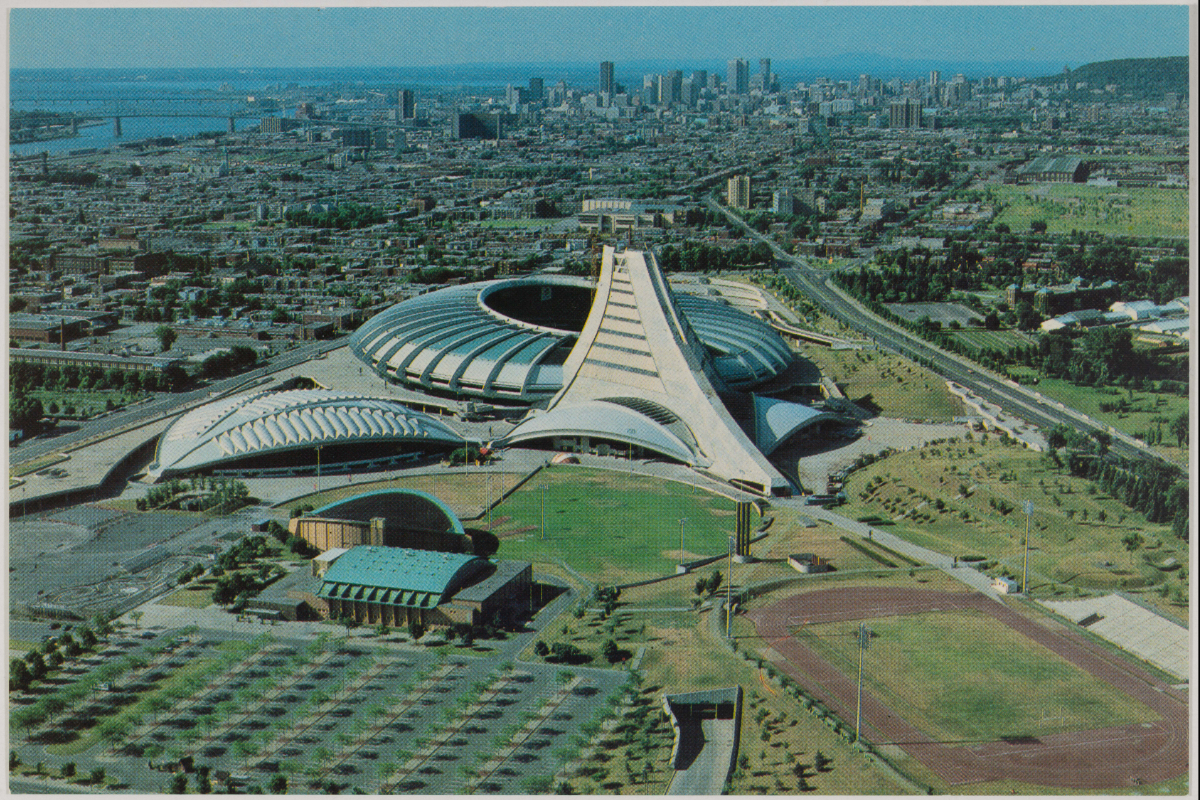
This legacy is first and foremost tangible: the major infrastructure built for the event—the Olympic Stadium, the Velodrome and the Olympic Village—have become defining architectural landmarks of Montreal. The Games also sparked lasting enthusiasm for amateur sport and broadened participation across Quebec, one of the most significant legacies of 1976.
A sustainable approach rooted in environmental responsibility
Reducing the environmental footprint
Mindful of environmental issues and convinced that museums have a role to play in the transition to a more sustainable future, the McCord Stewart Museum has set itself the goal of minimizing the amount of waste produced by its exhibitions while maintaining the standards of quality, integrity and accessibility that underpin its mission.
Discover the sustainable-development-process →
Therefore, before designing the Montreal 1976: An Olympic Feat exhibition, the Museum conducted an extensive review to identify practical strategies to reduce its environmental impact, consistent with the principles of eco-design, sustainability and the circular economy.
The exhibition design relies largely on the reuse of existing resources. Picture rails, curved walls, benches and display cases were all sourced from the Museum’s stock of materials, thus limiting the need to build new elements. Only a few items—the cauldron, three tables, trestles and panels for the primary texts—were constructed expressly for the exhibition. However, they were specially designed to ensure they could be used again in future projects.
All of the multimedia equipment used in the exhibition (screens, projectors, headphones, sound monitors and computers) came from the Museum’s inventory. The exhibition texts were printed on new selfadhesive vinyl, as were the labels and largeformat photographs.
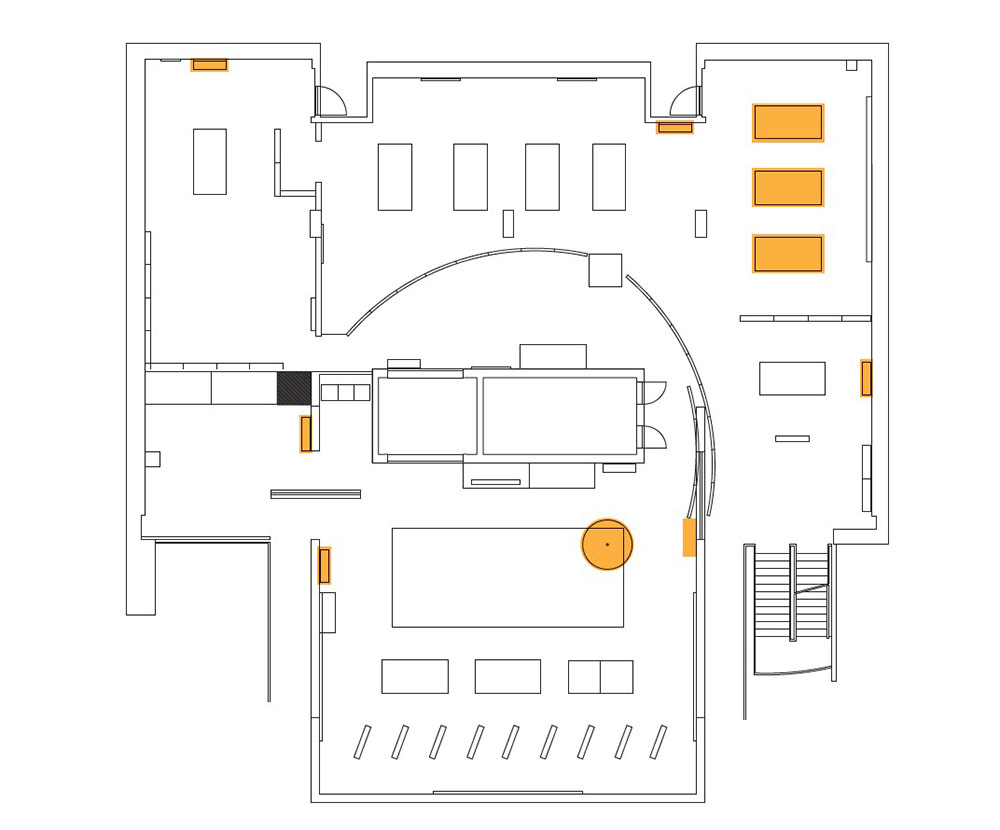 In yellow: created for the exhibition
Acknowledgements
The Museum would like to thank its team and all the individuals, institutions and organizations who have contributed towards the presentation of this exhibition.
An exhibition produced by the McCord Stewart Museum.
The exhibition Montreal 1976: An Olympic Feat is part of the official programming to celebrate the 50th anniversary of the 1976 Olympic Games. This project was made possible thanks to the financial support of the City of Montreal, the Québec government and Tourisme Montréal.
In addition to acting as a media partner for the exhibition, Radio-Canada has provided access to its precious archives, sharing a selection of audiovisual recordings that have enriched the exhibition content.
Project Management
Catherine K. Laflamme, Senior Project Manager, Exhibitions
Curatorship
Christian Vachon, Curator, Documentary Art
Scenario
Katherine Melançon, Christian Vachon and Catherine K. Laflamme
Exhibition Texts
Christian Vachon, Cynthia Cooper and Katherine Melançon
Audiovisual Elements
Stéphanie Poisson, Head, Digital Outreach, Collections and Exhibitions
Exhibition Design
Lupien + Matteau
Graphic Design
David Martin
Advisory Committee
Dinu Bumbaru, Policy Director, Héritage Montréal
Marc H. Choko, Professor Emeritus, UQAM School of Design
Paul Foisy, Executive Director, Centre d’histoire de Saint-Hyacinthe
Carina Marinelli, Certified Graphic Designer
McCord Stewart Museum Team
Pascale Grignon, Senior Director, Programs and Engagement
François Vallée, Head, Exhibitions
Annie-Pier Brunelle, Assistant, Exhibitions
Mélissa Jacques, Supervisor, Technical Services, Exhibitions
Olivier LeBlanc-Roy, Technician, Exhibitions
Siloë Leduc, Technician, Exhibitions
Joëlle Blanchette, Technician, Exhibitions
Philippe Bélanger, Technician, Exhibitions
Caterina Florio, Head, Conservation
Sara Serban, Conservator
María Castañeda Delgado, Conservator
Sonia Kata, Conservator
Caroline Bourgeois, Conservation Assistant
Karine Rousseau, Head, Collections Management
Geneviève Déziel, Cataloguing Coordinator, Collections Management
Camille Deshaies-Forget, Assistant, Collections Management
Heather McNabb, Reference Archivist, Archives and Documentation Centre
Josianne Venne, Senior Technician, Collections Management
Jean-Christophe Chenette, Senior Technician, Collections Management
Lorie-Anne Chamberland, Technician, Collections Management
Laura Dumitriu, Senior Photographer
Roger Aziz, Photographer
Anne-Frédérique Beaulieu, Officer, Digital Outreach, Collections and Exhibitions
Maria Luisa Romano, Head, Education, Community Engagement and Cultural Programs
Clara Chouinard, Project Manager, Education, Community Engagement and Cultural Programs
Facilitator Team
Catherine Morellon, Head, Communications
Anne-Marie Demers, Graphic Designer
External Team
Video Editing and Creation
Tomi Grgicevic
Soundtrack
Jonathan Cayer
Editing and Translation
Edith Skewes-Cox, English
Pascale Guertin, French
Lighting Design
LightFactor
Graphic Production
Pro Séri
Construction of Exhibition Modules and Accessories
Acmé décors
Tak Design
Installation
Espace Montage
Audiovisual Installation
Eric Fauque
Eric Le Brec’h
Painting
René Gauthier
The Museum would like to thank its team and all those who contributed, directly or indirectly, to the presentation of this exhibition.
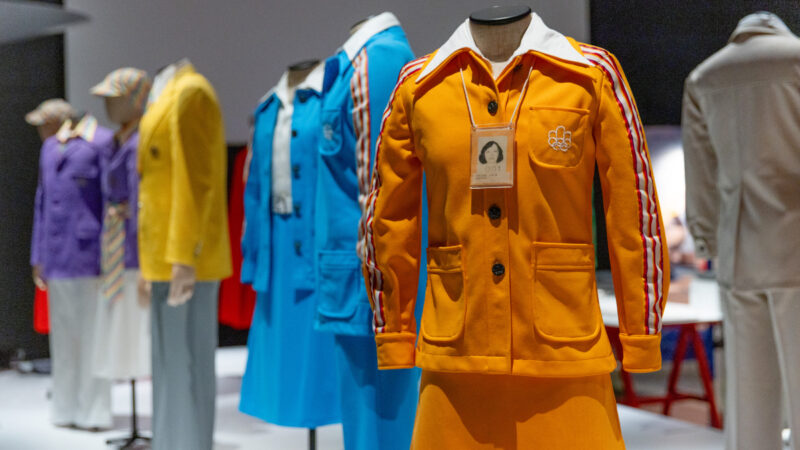
Walk through the exhibition galleries.

Discover what the media says about the Museum
Montreal 1976: An Olympic Feat Global News
Montreal museum celebrates 50th anniversary of 1976 Olympics with new exhibition City News
Montréal Olympique
Summer 2026
“Montreal 1976” Cultural Marathon
This summer, four leading Montreal cultural institutions join forces to explore the history and cultural impact of the Montreal Olympic Games as part of the official 50th anniversary celebrations presented with Montréal Olympique. Exhibitions, interactive trails, activities, screenings and talks are bringing back the excitement, energy and unforgettable moments that shaped Montreal during the 1976 Summer Games!
Montréal Olympique Programming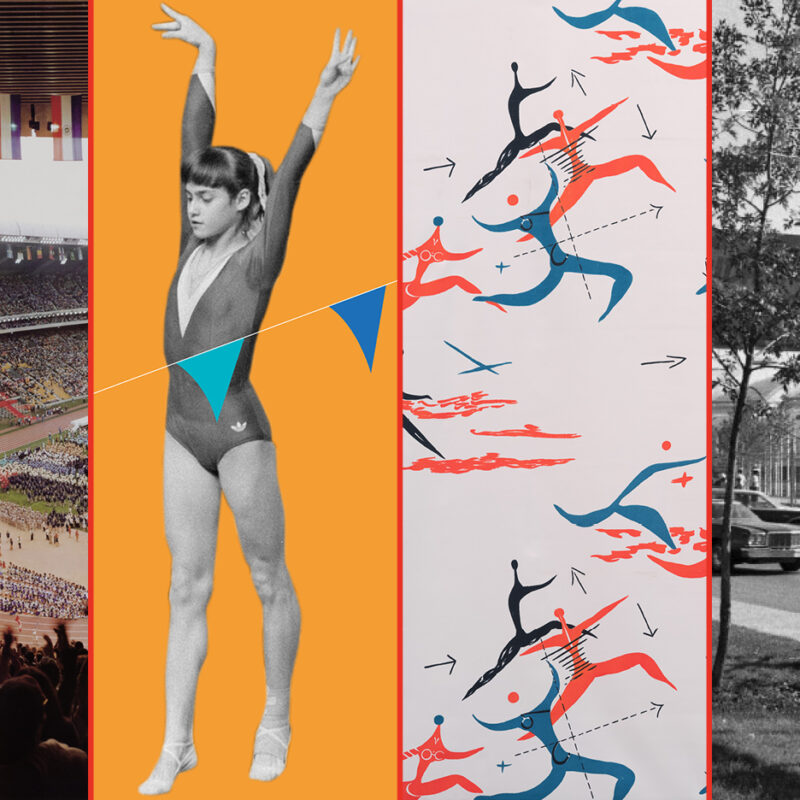
Space is limited | Museum admission ticket required
Guided tours for the general public
Deepen your understanding of the exhibition and ask questions to our cultural facilitators about the topics explored in one of our guided tours.
Reservation on site at the Museum, limited capacity.
See full schedule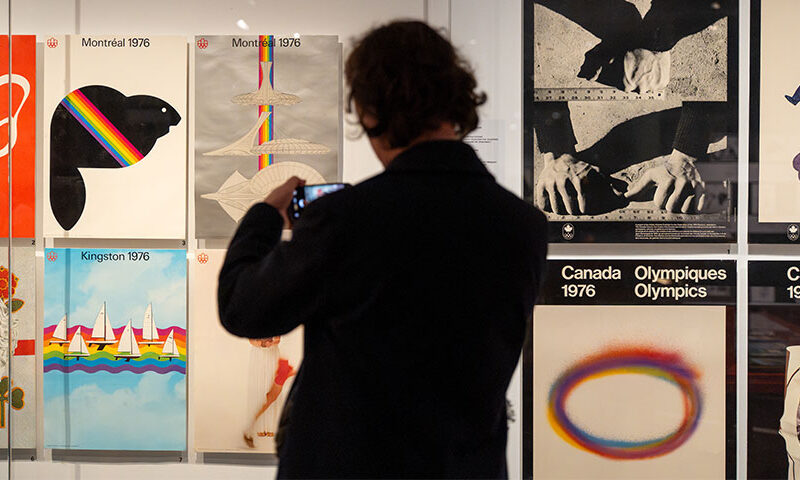
Family tour
Free | Until September 13
Take on an Olympic mission with your family
This interactive exhibition tour invites families to take on a special feat: help Montreal fulfill its dream of hosting the Olympic Games. Along the way, families solve challenges that guide them right to the finish line—and to the podium for a souvenir photo!
Learn more
Virtual exhibition
On-going
Beyond the Games – Montreal’s Olympic Story
Beyond the Games – Montreal’s Olympic Story is now available online through Digital Museums Canada (DMC). Designed for youth aged 12 to 17, this interactive virtual exhibition offers a fascinating look at the 1976 Montreal Olympic Games. Featuring exclusive content, this digital experience brings to life the defining moments of a landmark event in the history of Montreal and the Canadian Olympic movement.
Developed with the support of Digital Museums Canada, an investment program managed by the Canadian Museum of History.
Learn more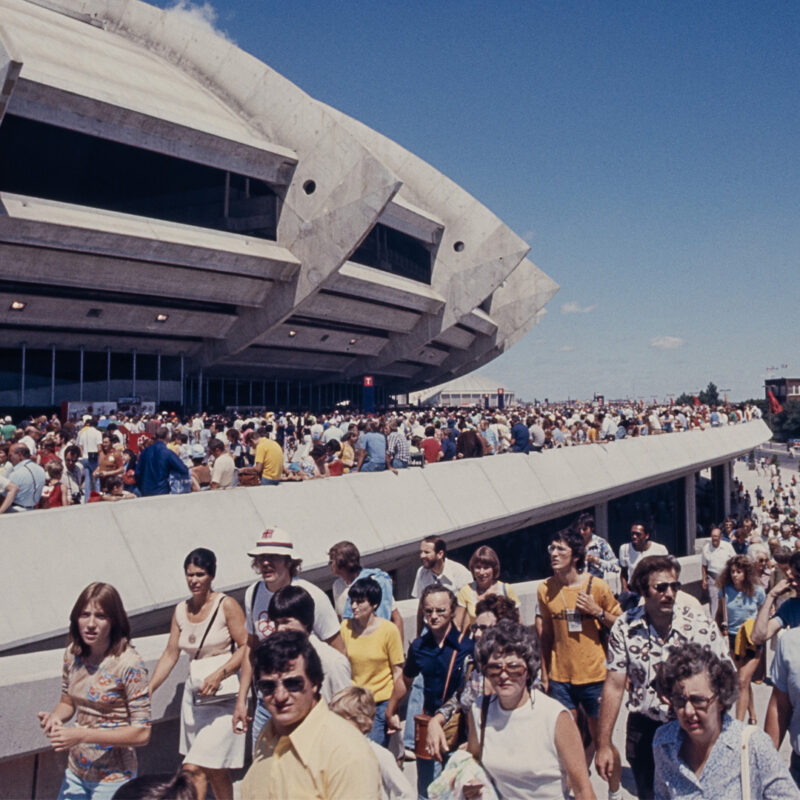
60 minutes | Until September 13
Group programming
Guided tour designed for groups
The guided tour of the exhibition invites visitors to discover—or rediscover—this landmark event in the contemporary history of Montreal.
Book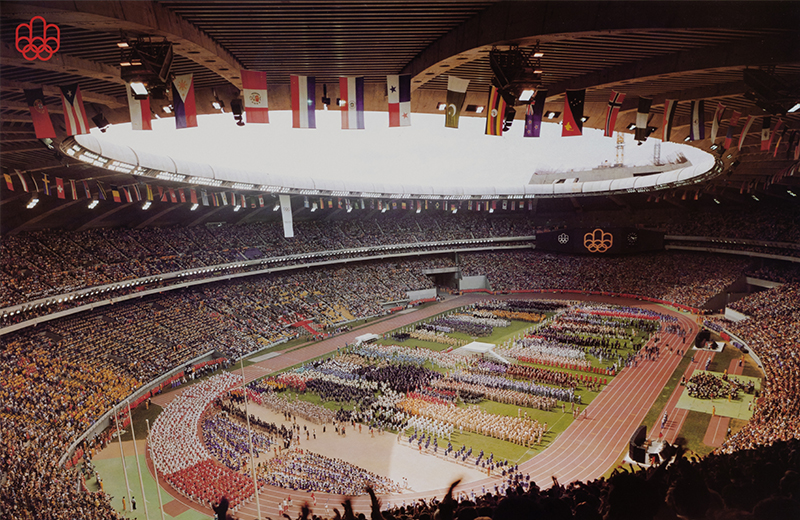
Thanks to our partners






Be an insider!
Subscribe to our newsletter to get the inside scoop on upcoming exhibitions and cultural events.
Subscribe now